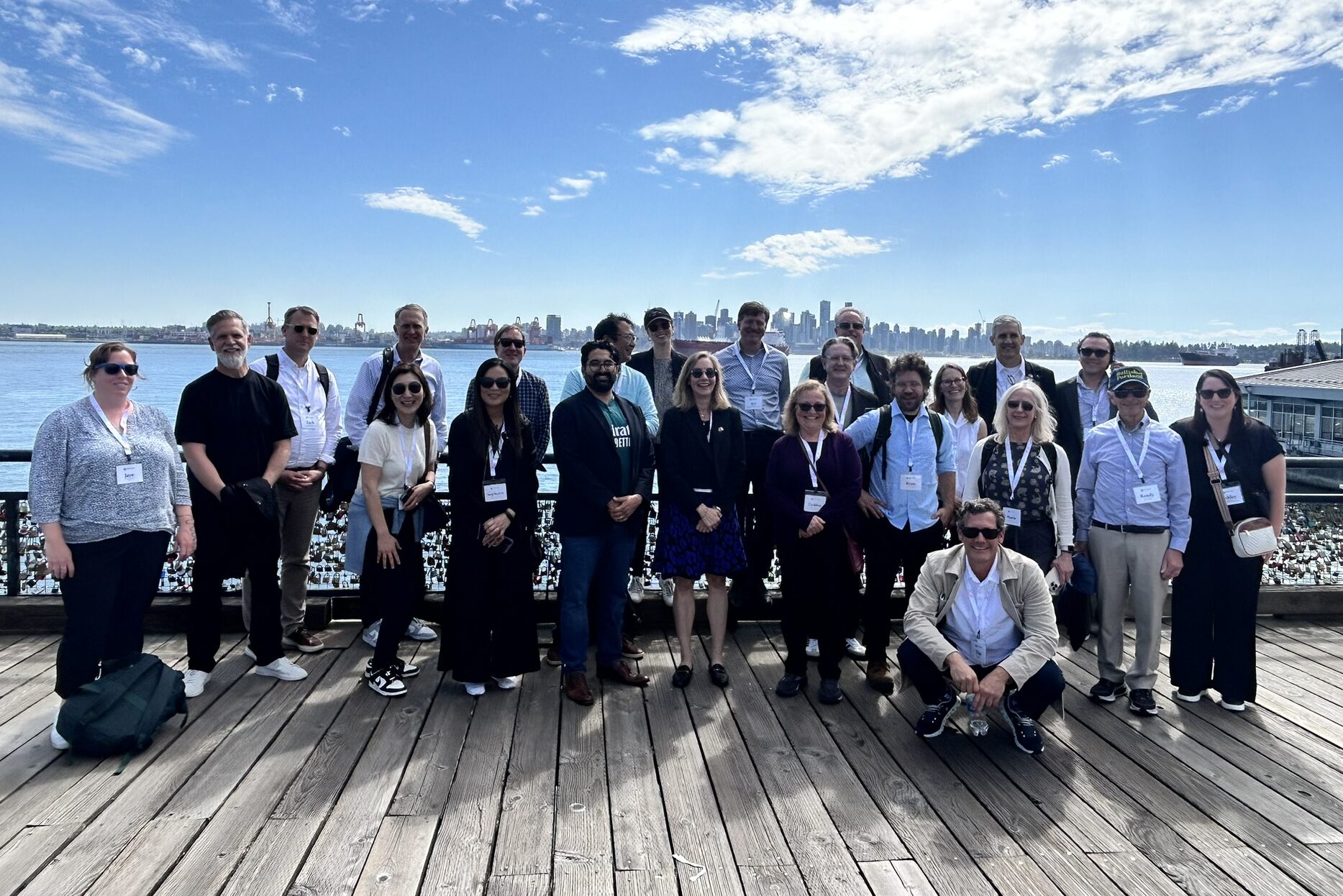
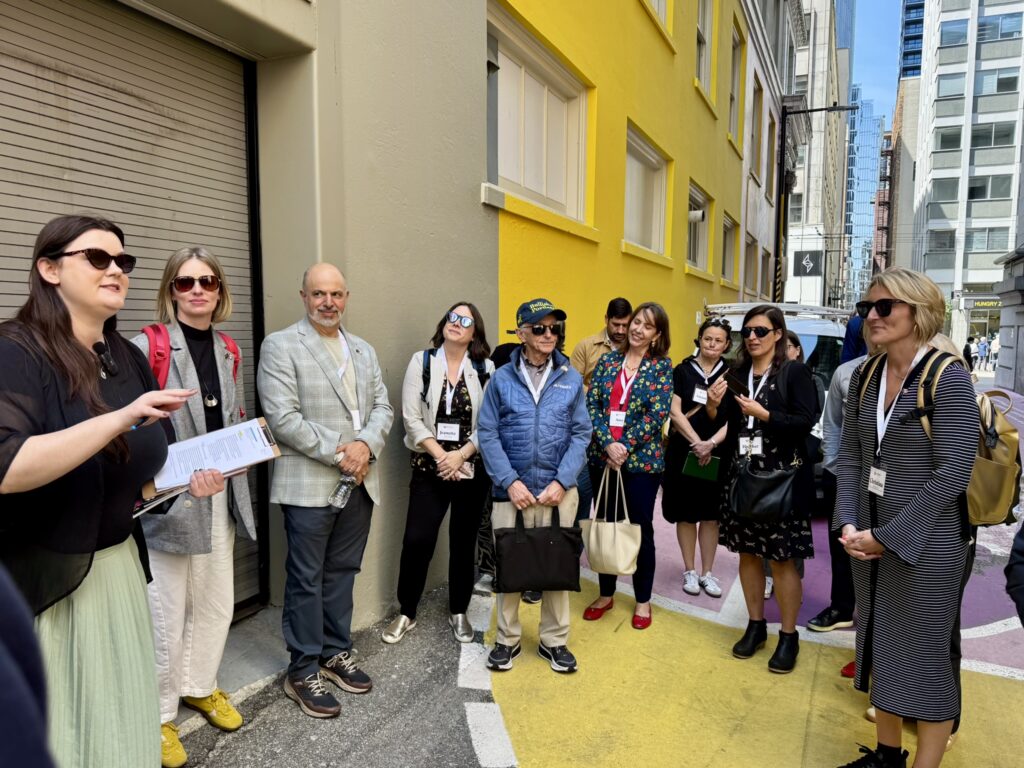
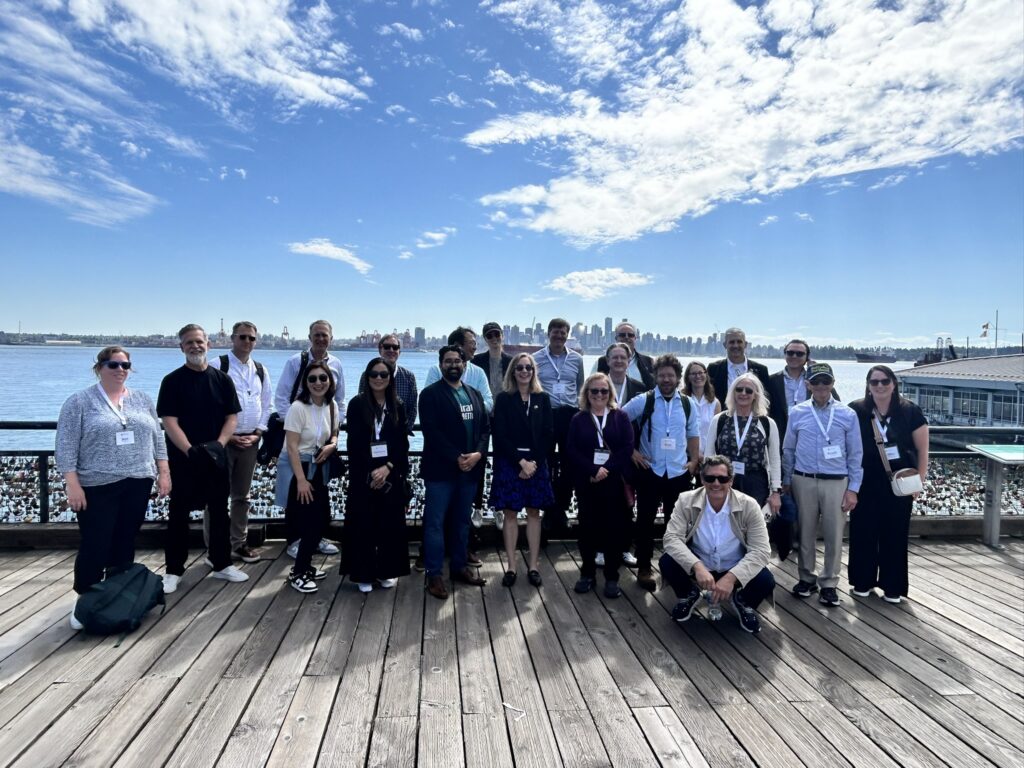
A Portland delegation spent four days in Vancouver, BC studying how one of North America’s most livable cities approaches economic development, housing, transportation, trade, and waterfront activation — and what those lessons mean for Portland.
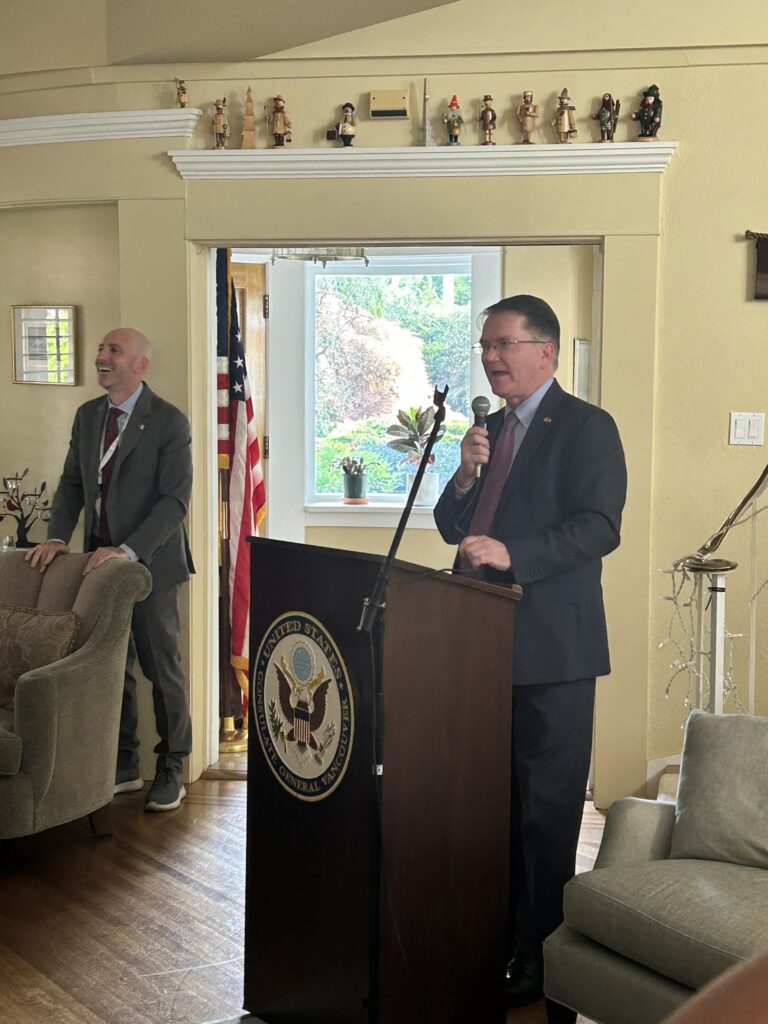
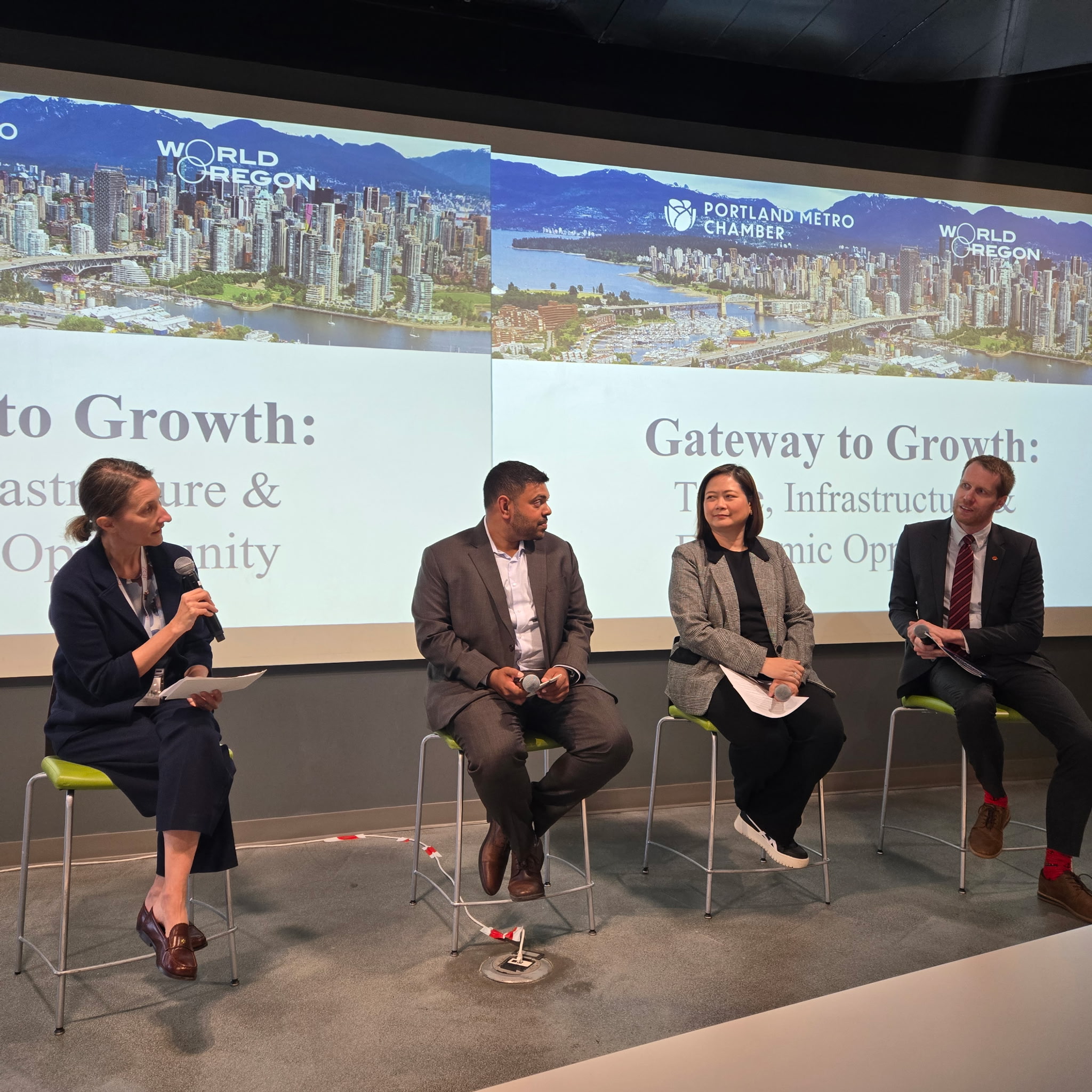
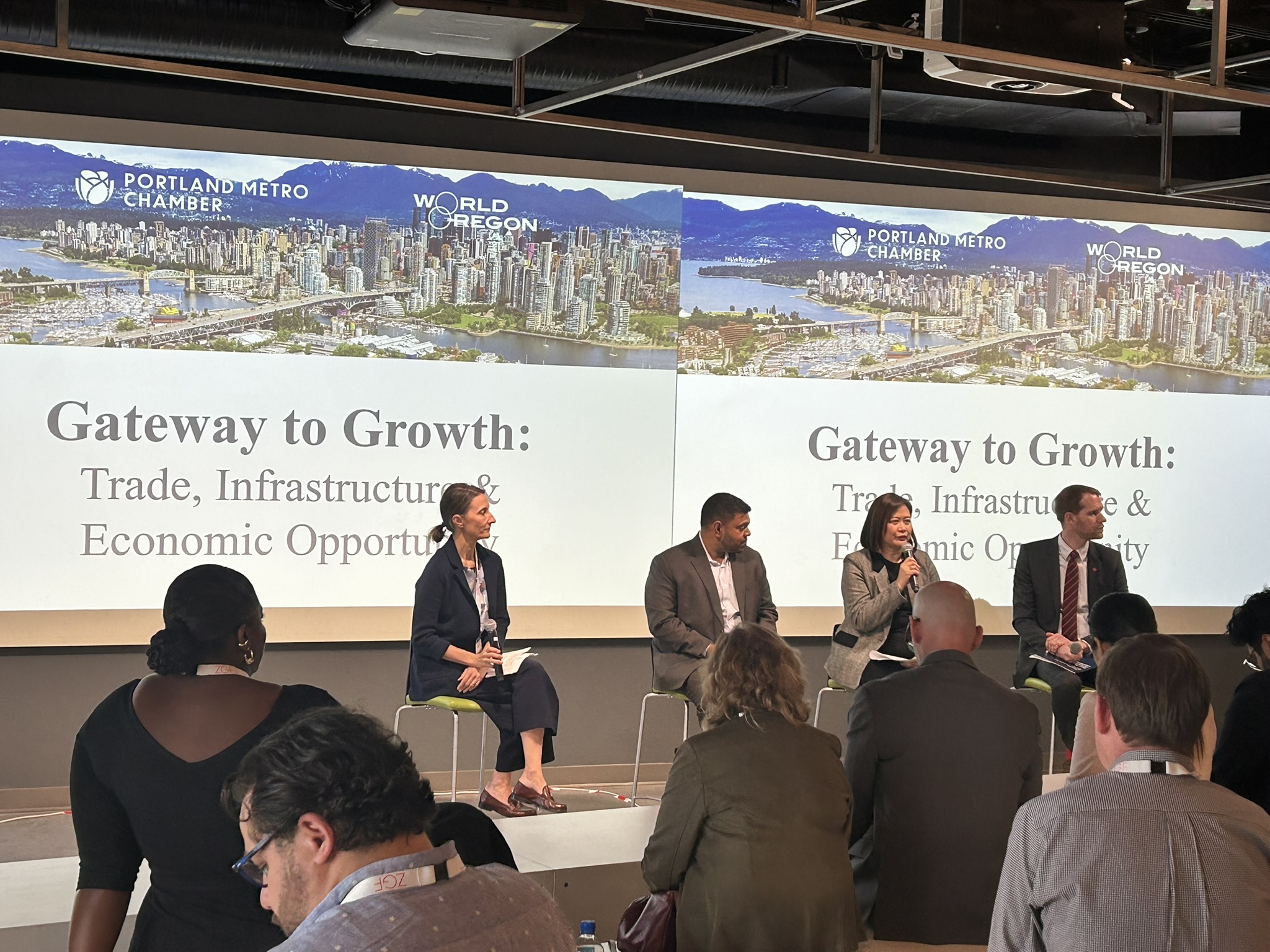
The Portland Metro Chamber’s annual Best Practices Trip brought a delegation of Portland-area business, civic, and community leaders to Vancouver, British Columbia for four days of site visits, expert panels, and peer exchanges. Over the course of the trip, the group explored how Vancouver has built one of the most competitive and livable urban economies in North America — and how Portland can apply these lessons at home.
What it means for Portland
The trip surfaced a consistent throughline: Vancouver’s success stems not from any single policy or project, but from the cumulative effect of long-term, integrated thinking across economic development, housing, transportation, and public space. Each system reinforces the others.
For Portland, the lessons are both instructive and urgent. The city faces many of the same challenges Vancouver has worked through — homelessness, fiscal pressure, the need to attract investment while maintaining livability — but with fewer years of compounding investment to draw on. The question the trip raised is not whether Portland can learn from Vancouver, but how quickly we can apply these lessons at home.
Key trip takeaways
Across four days of panels, site visits, and conversations with Vancouver leaders, several themes emerged with direct relevance to Portland’s challenges and opportunities.
Create a unified voice to champion economic strengths

Vancouver has shown how a coordinated citywide effort can elevate a destination’s profile, attract major events, and drive tourism. A unified strategy and shared voice can help strengthen Portland’s reputation as a vibrant, welcoming destination and actively promote everything that makes us unique, from our food scene and outdoor access to our creative culture, sustainability leadership, and world-class events.
Economic development works best as an integrated strategy
Vancouver connects tourism, sustainability, innovation, global trade, and equity into a unified approach rather than treating them as competing priorities — aligning climate goals with investment strategy that requires collaboration across entities.
Housing progress requires coordinated systems, not isolated programs
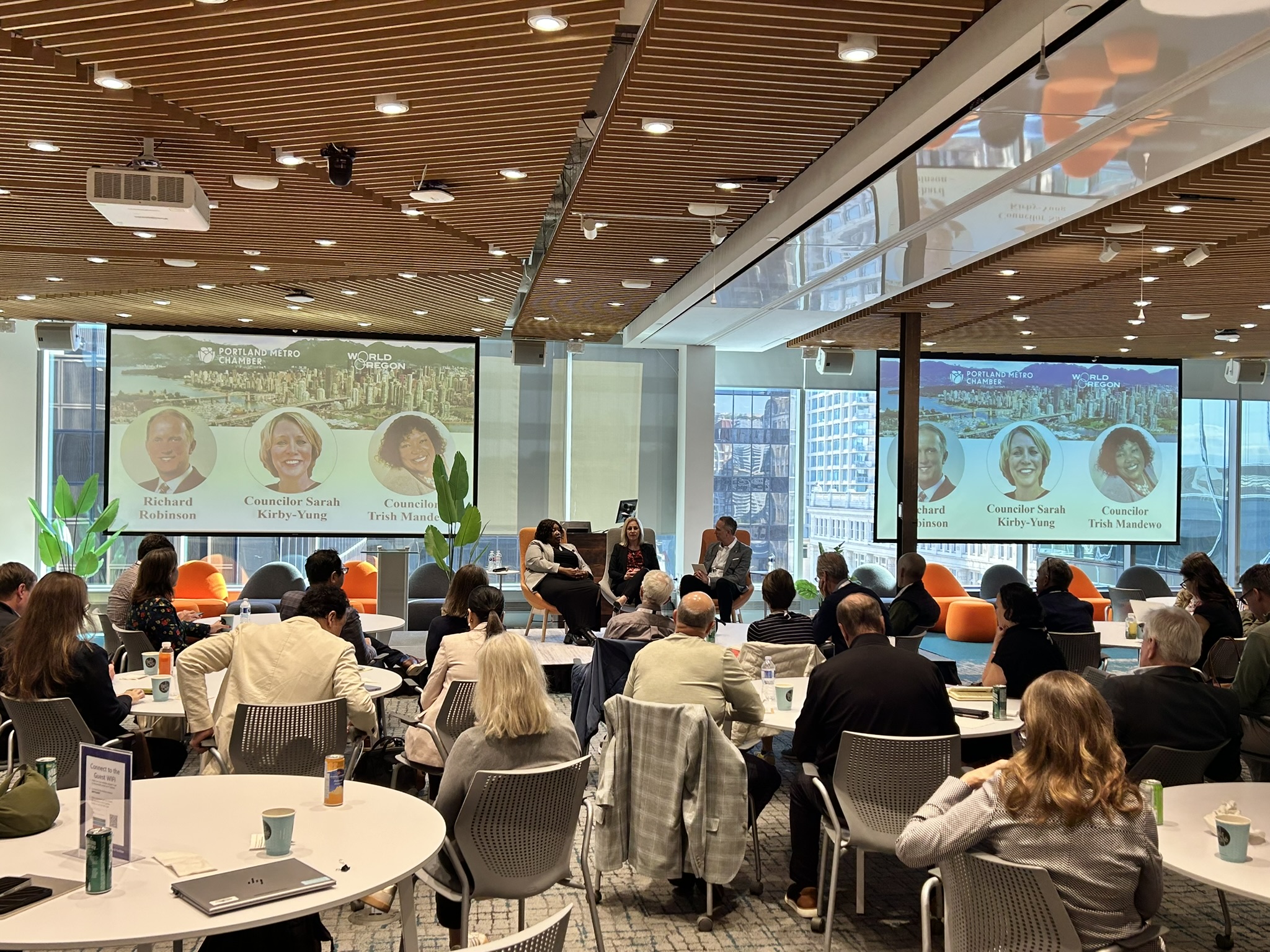
Lasting progress on housing and homelessness depends on sustained funding, strong public-private partnerships, and continuity of care from treatment through stable housing.
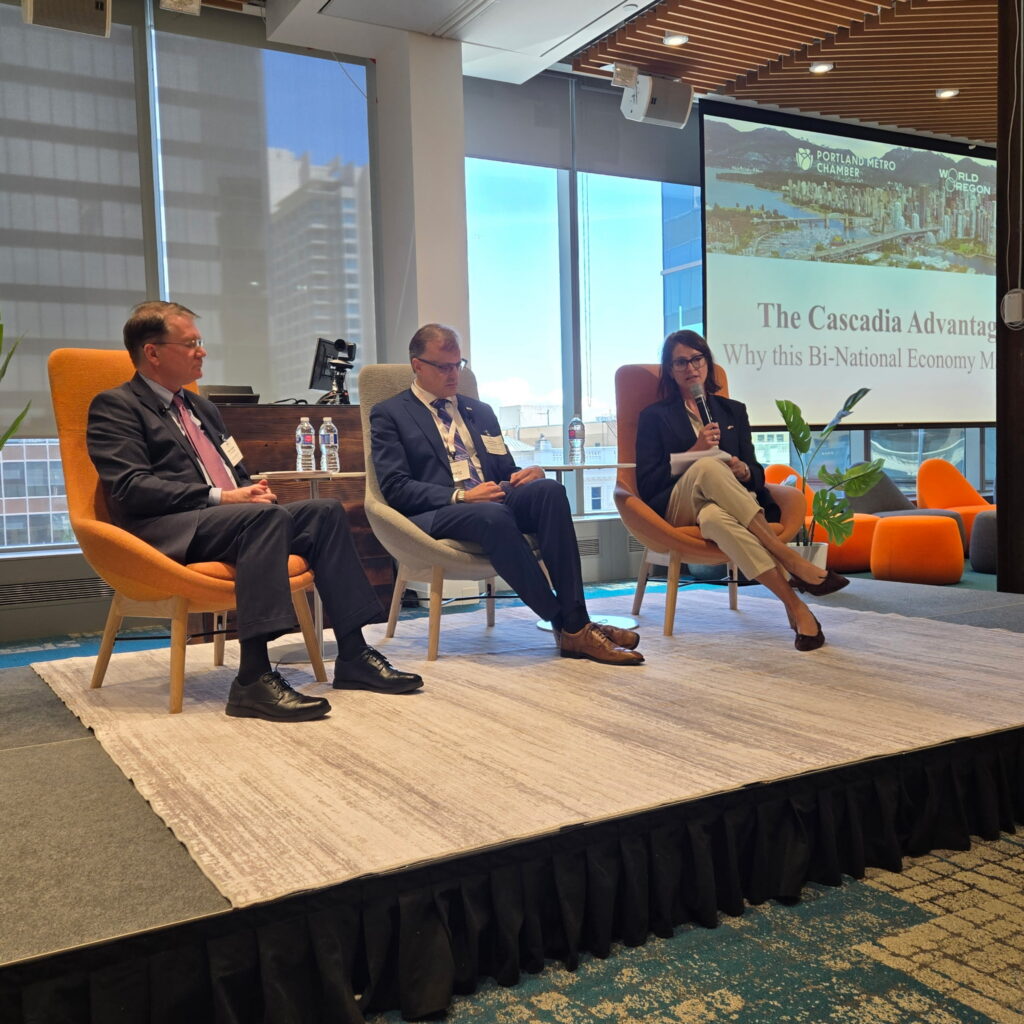
The Cascadia bi-national economy is a strategic asset
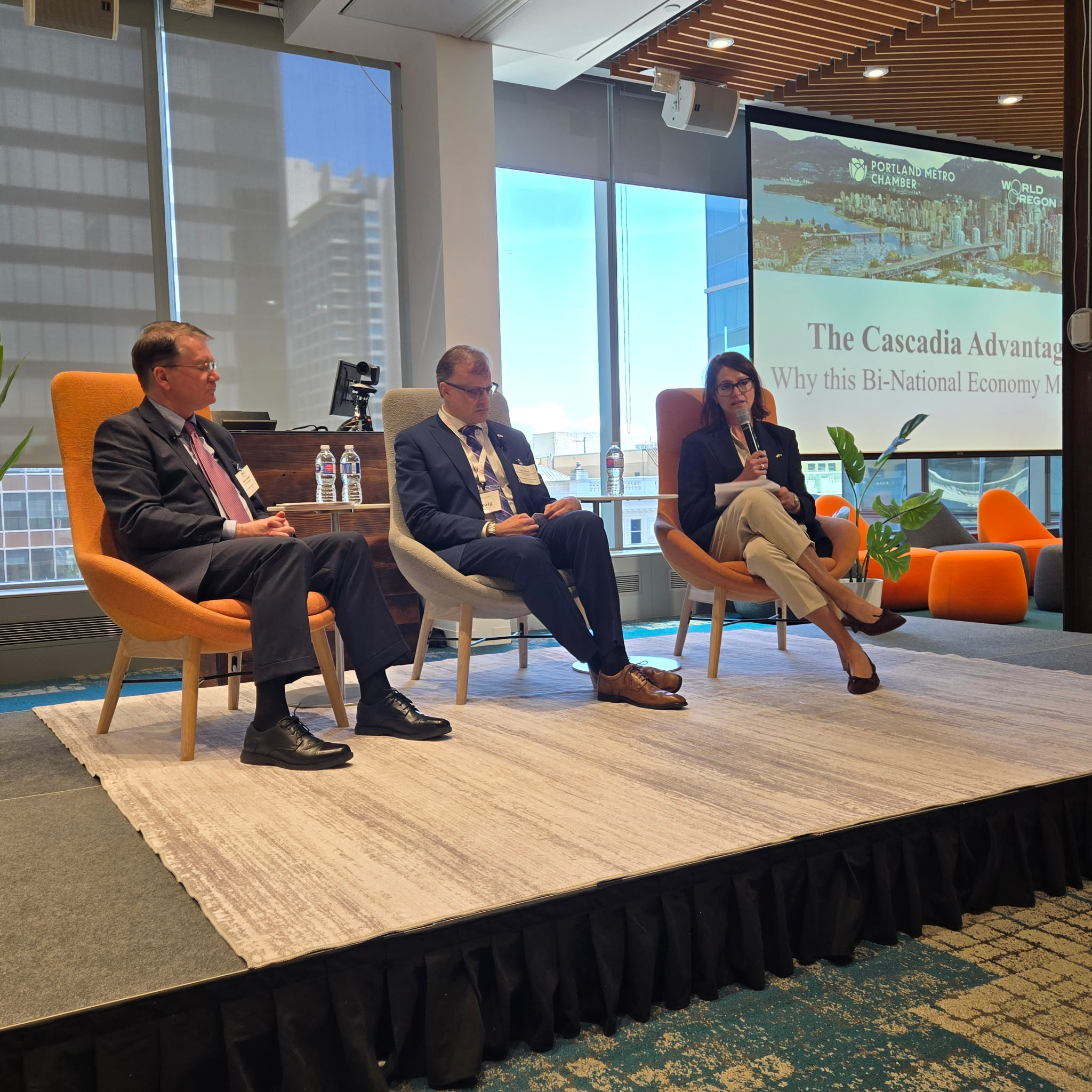
The Portland-Vancouver corridor has a distinct competitive advantage that leaders on both sides of the border have a shared interest in strengthening, especially as CUSMA (aka USMCA) shapes trade and workforce mobility.
Sports venues are economic development tools
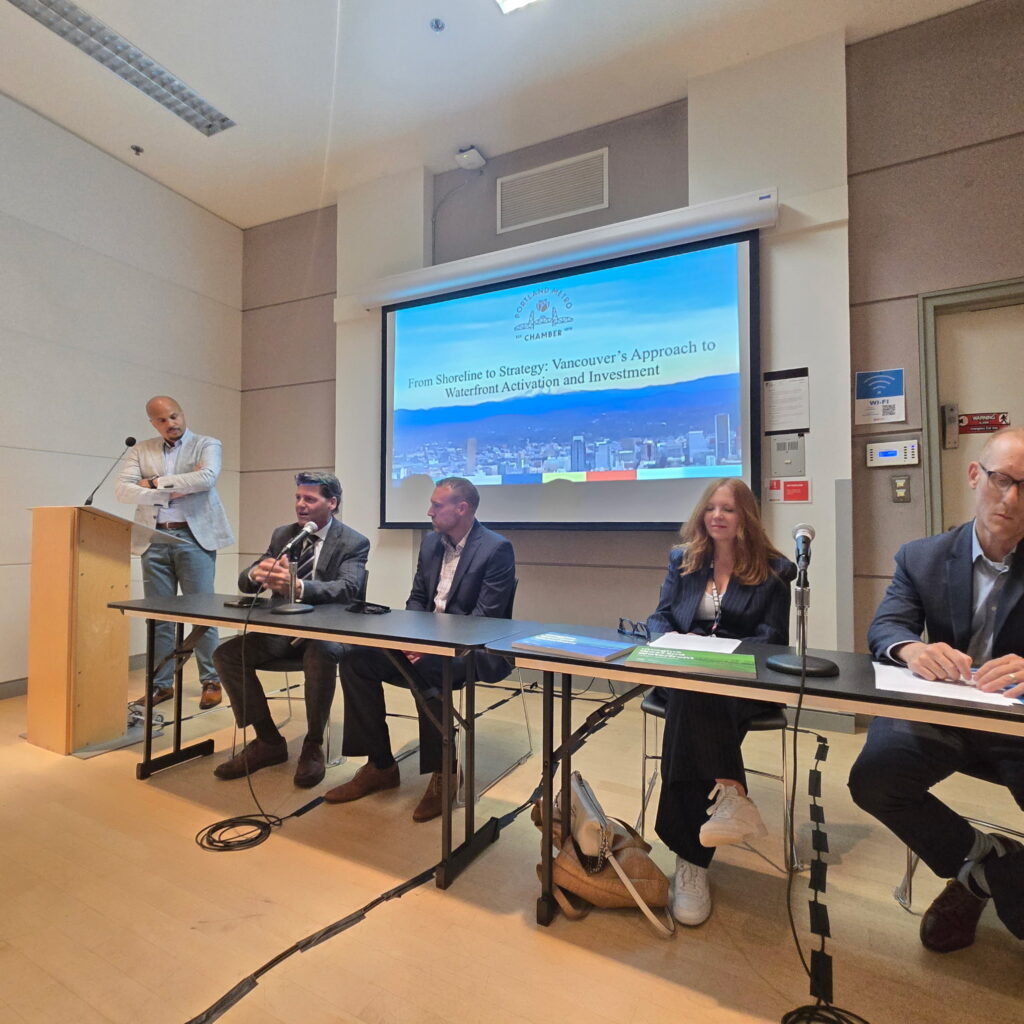
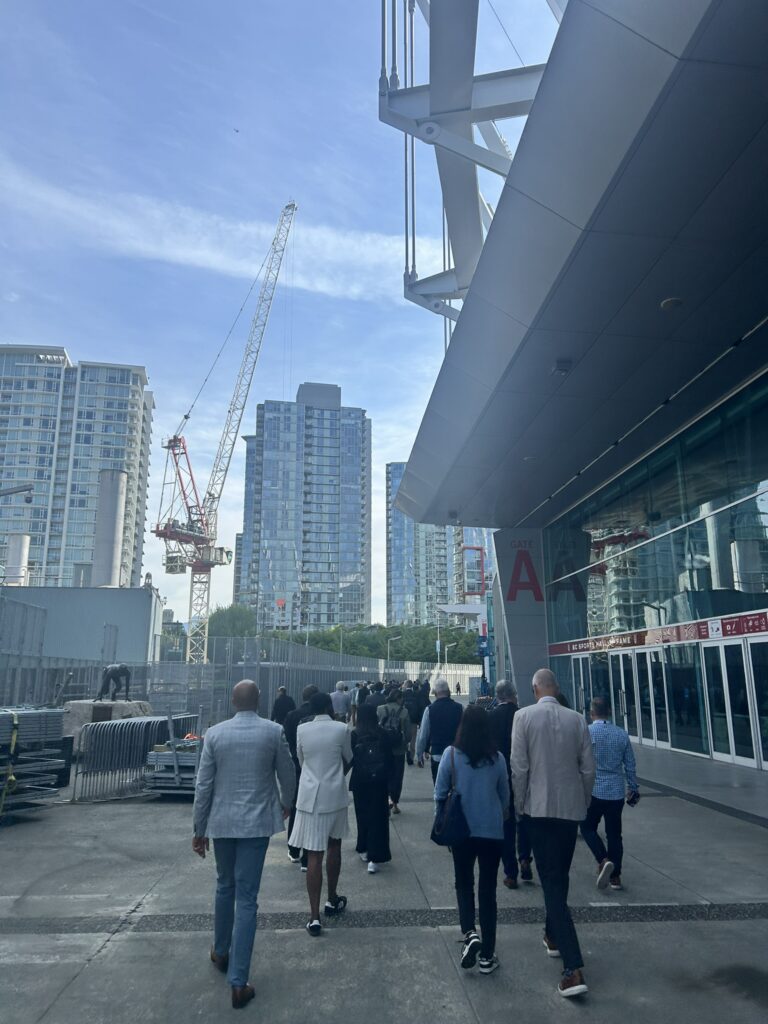
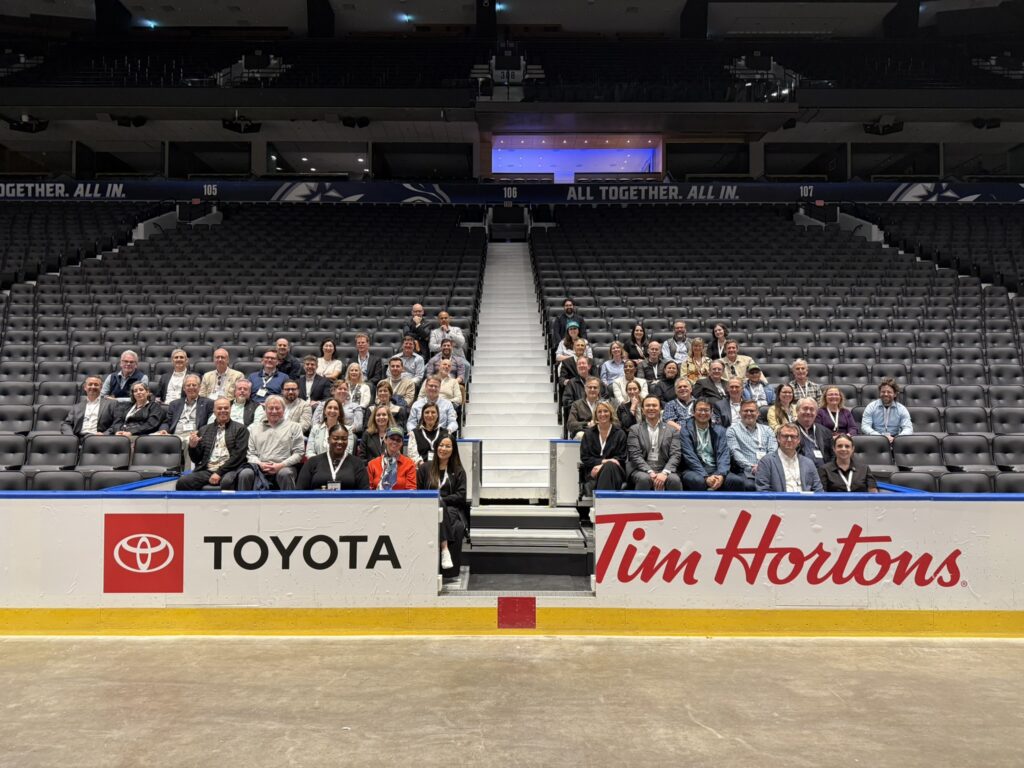
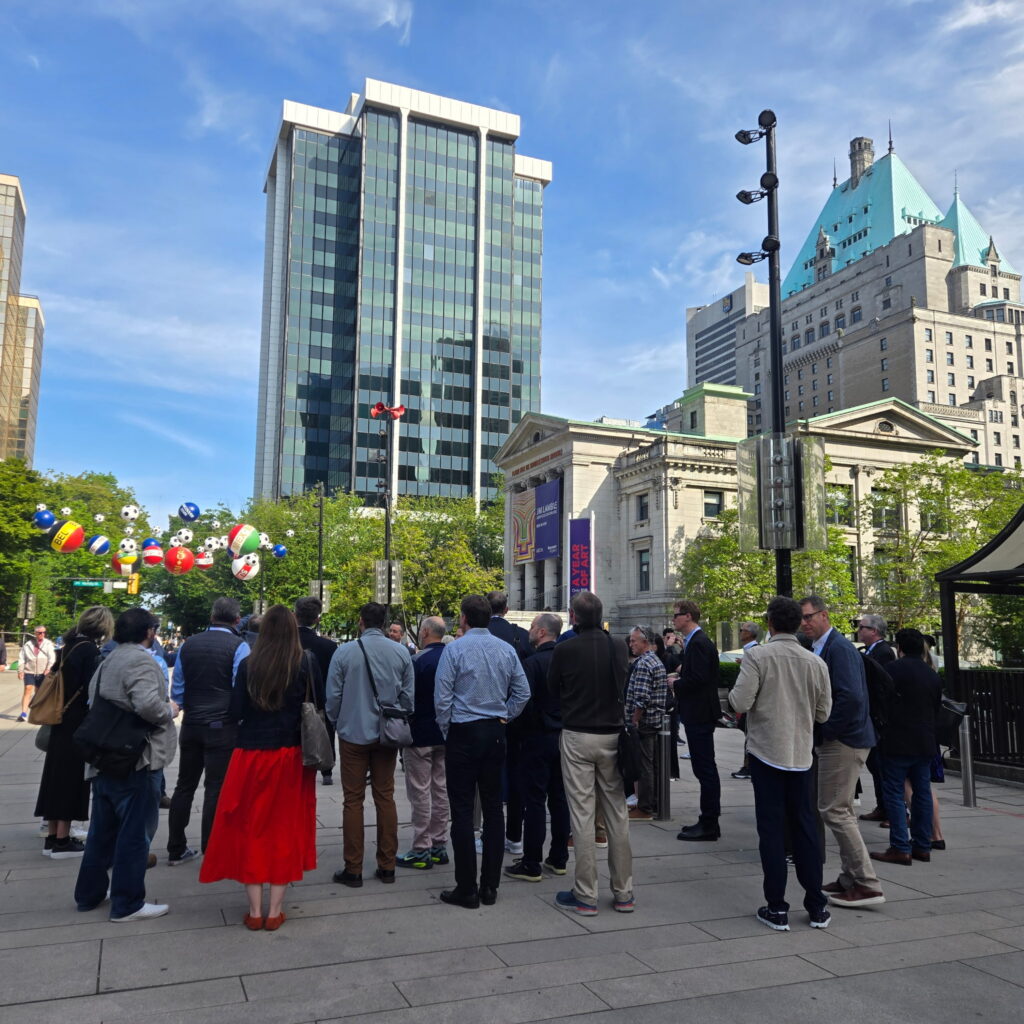
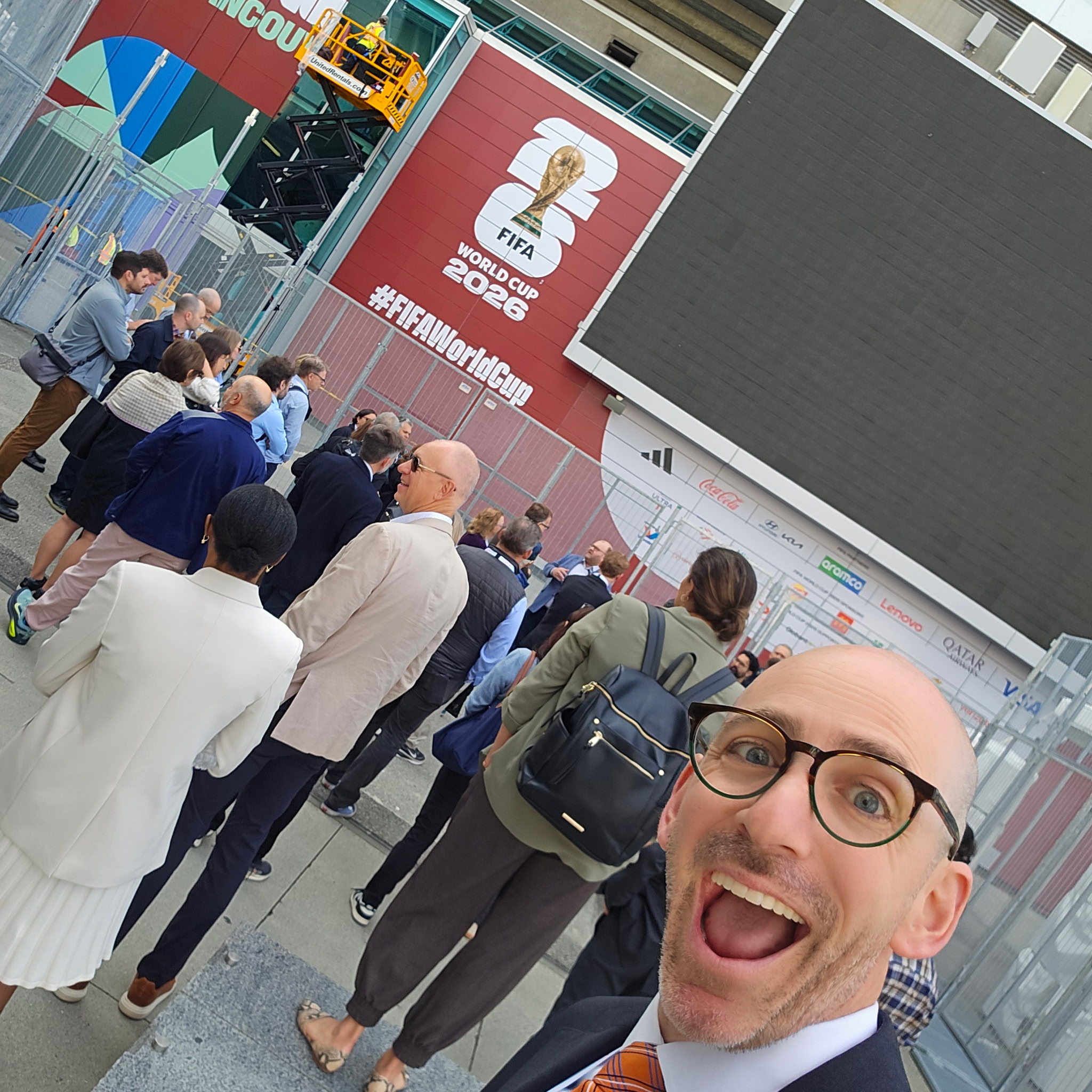
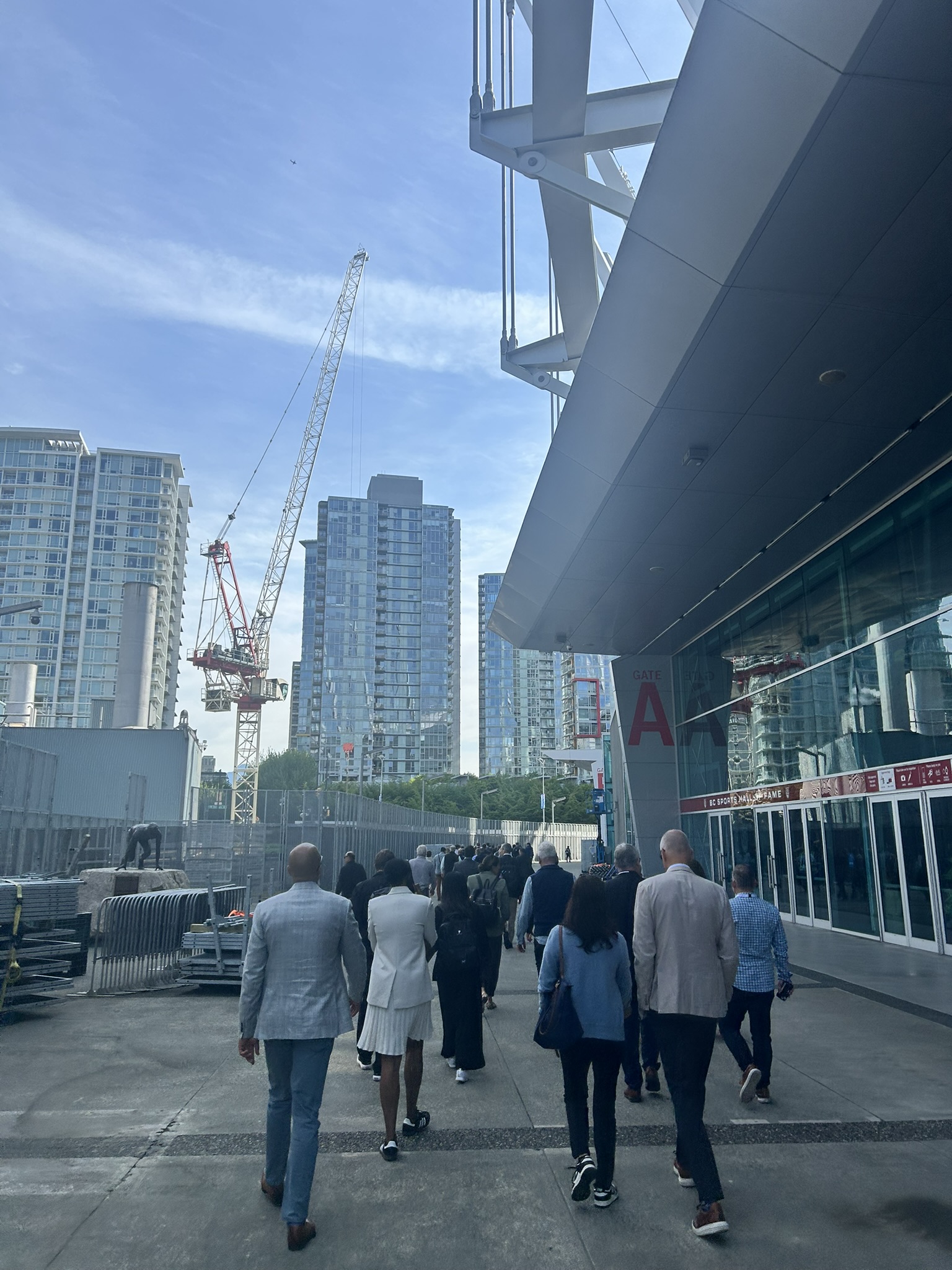
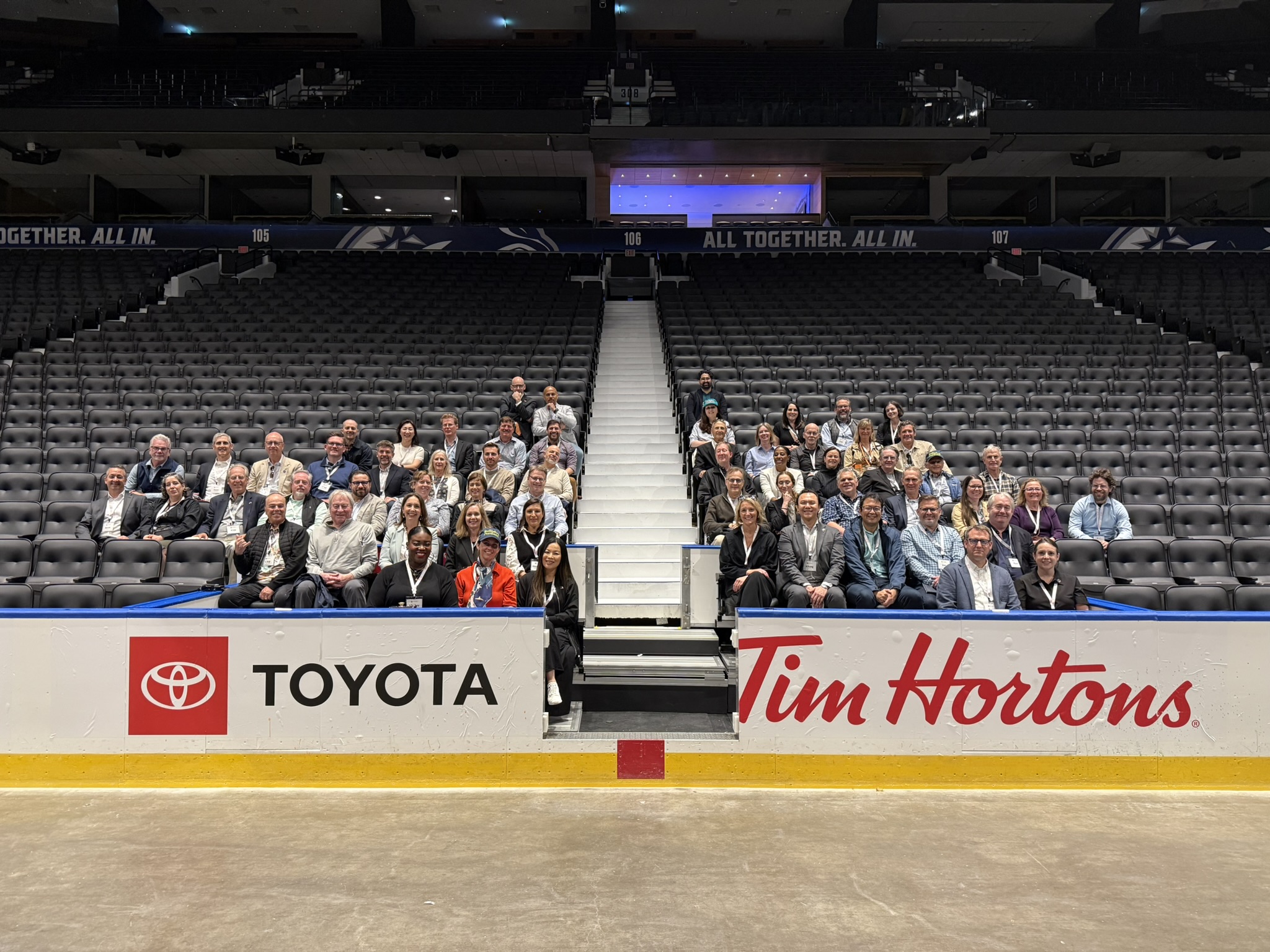
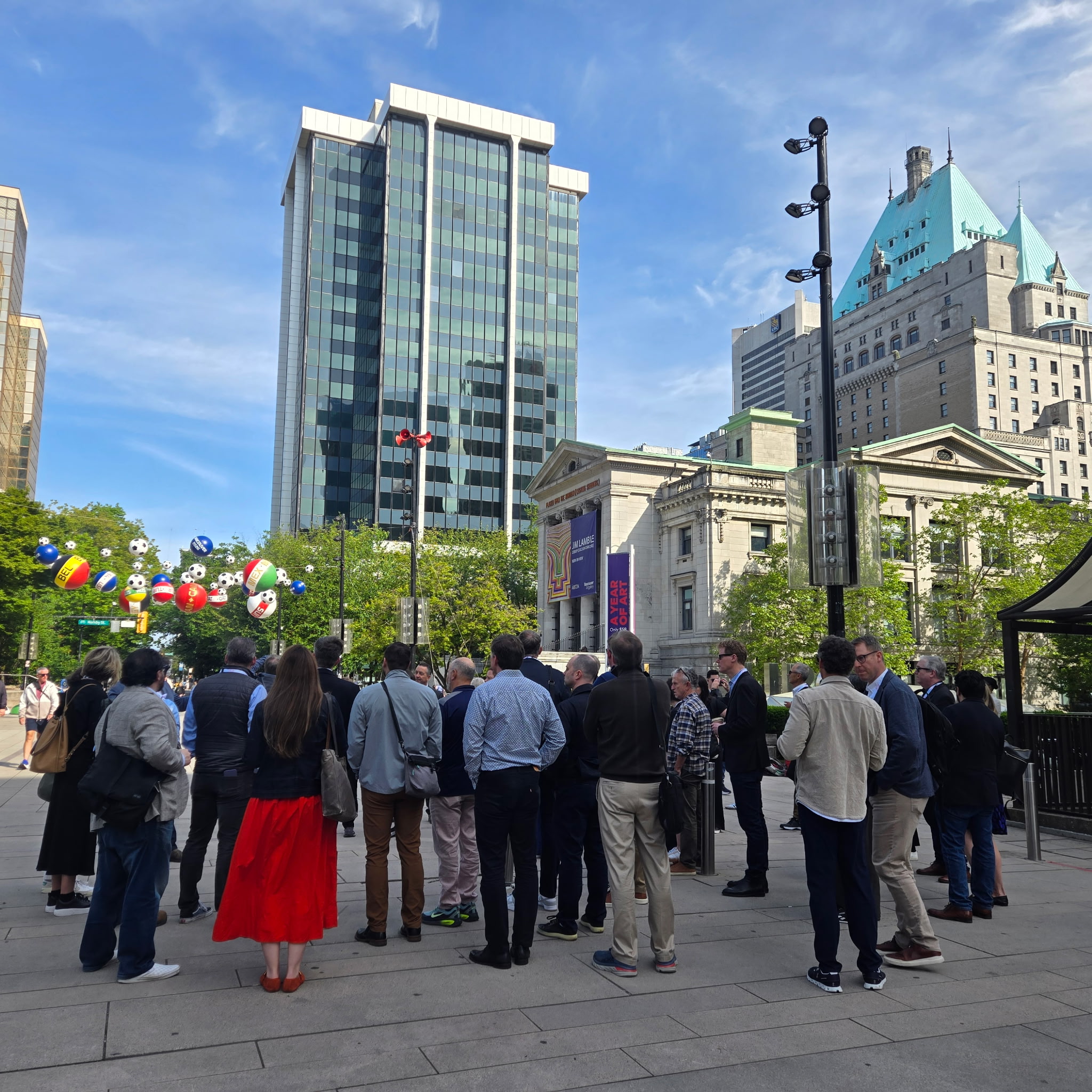
Vancouver’s experience with BC Place and Rogers Arena — and its 2026 FIFA World Cup preparations — showed how major tourism venues, structured correctly, can catalyze surrounding mixed-use development and drive sustained economic activity.
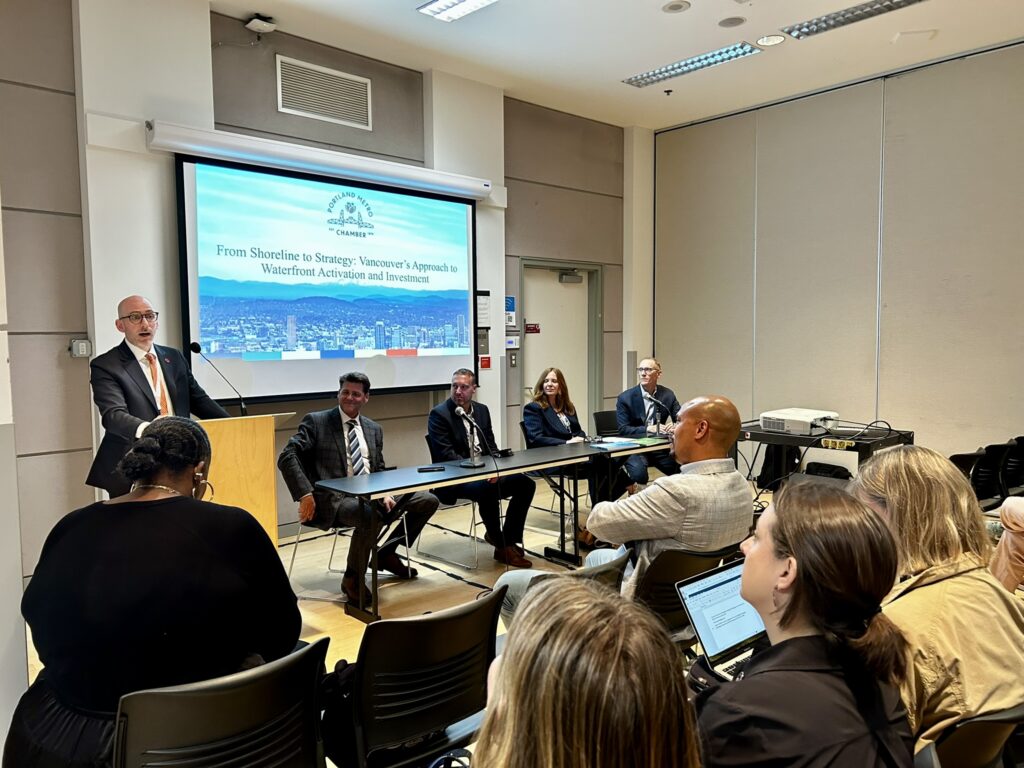
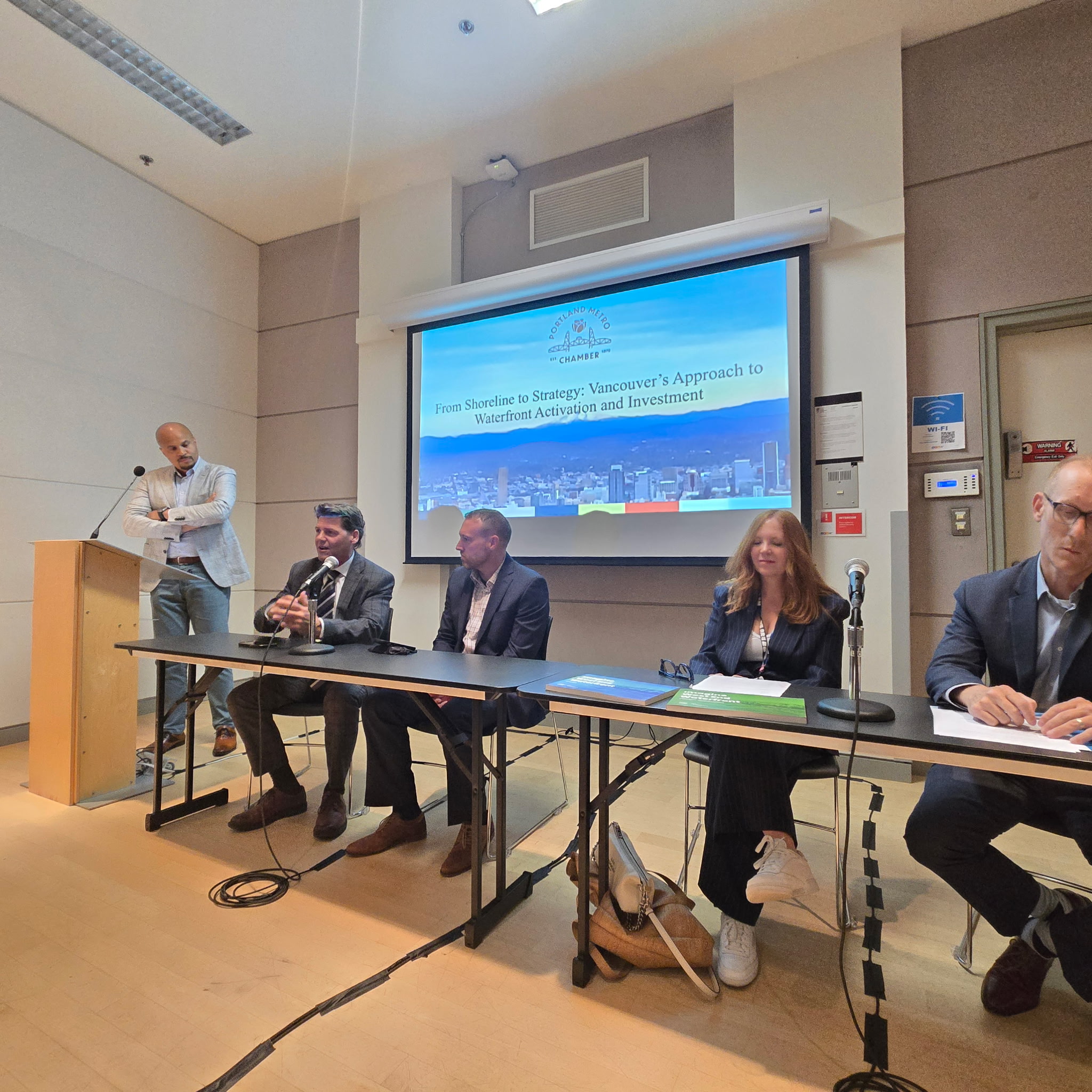
Waterfront activation requires long-term vision
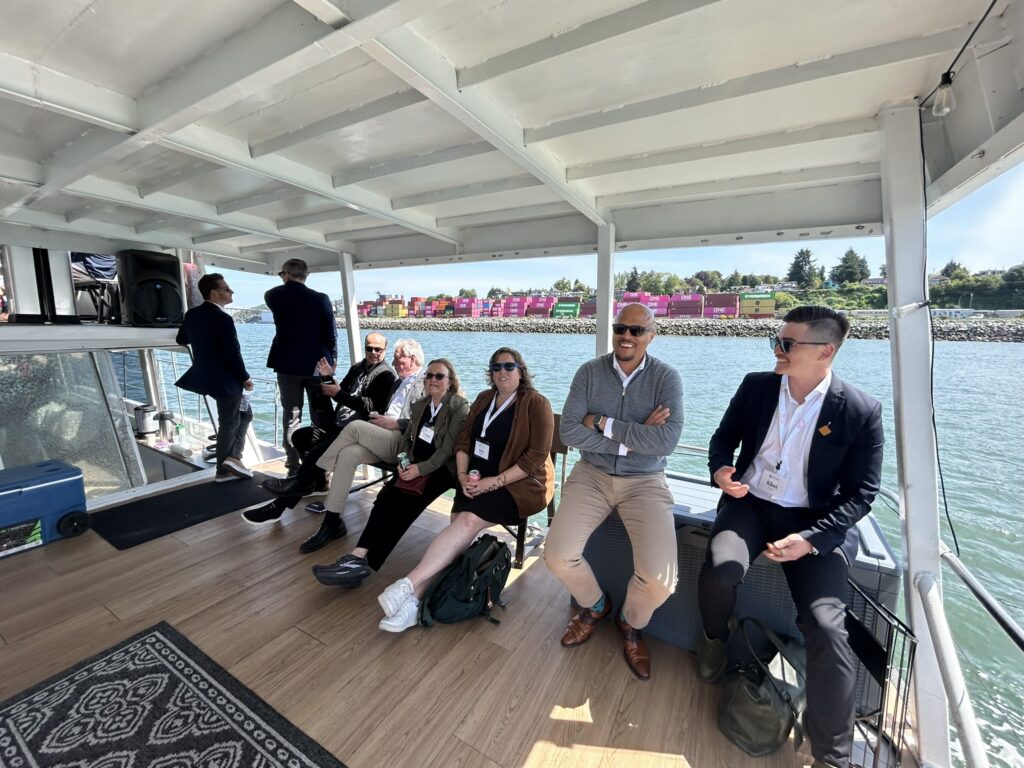
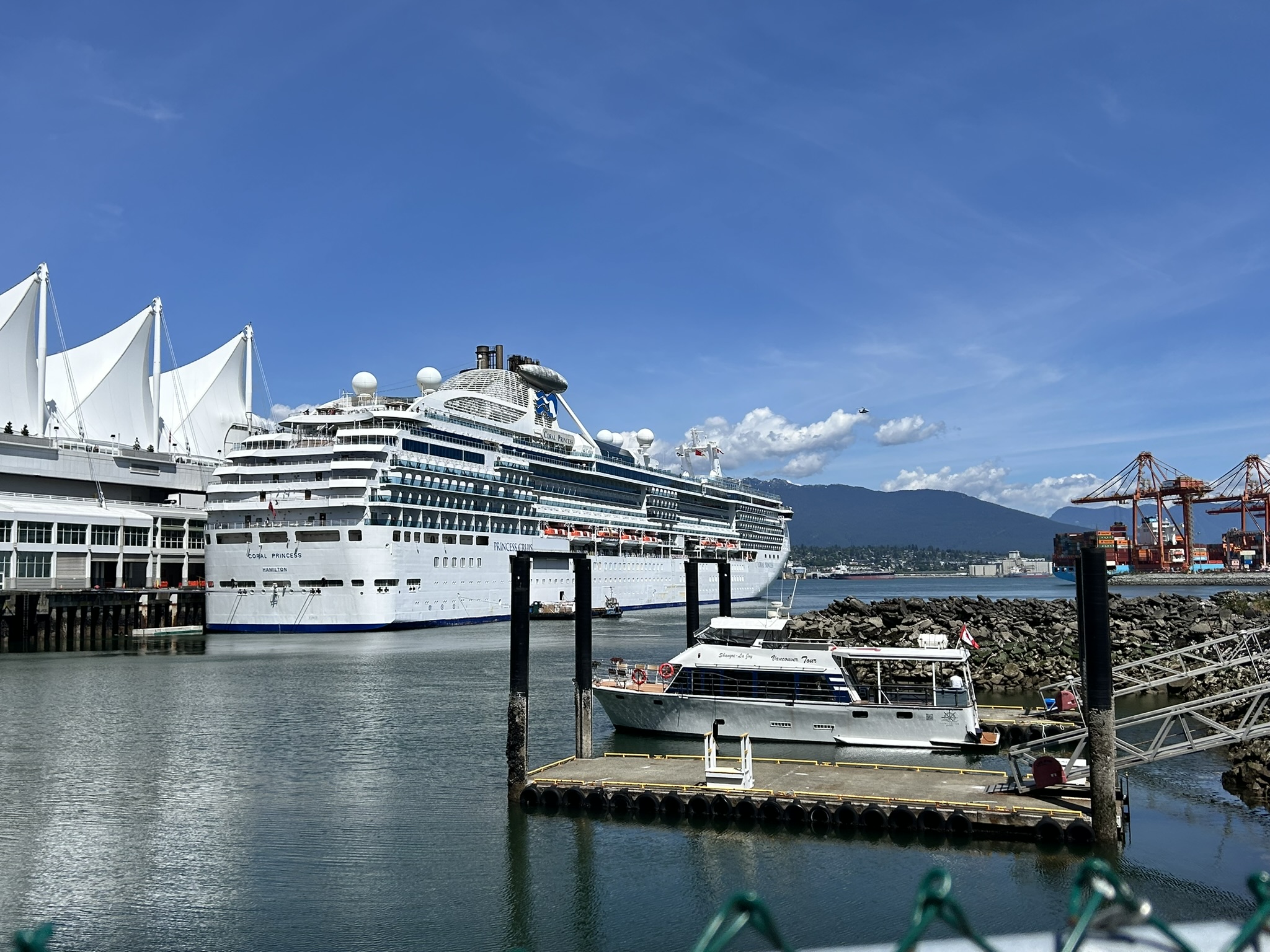
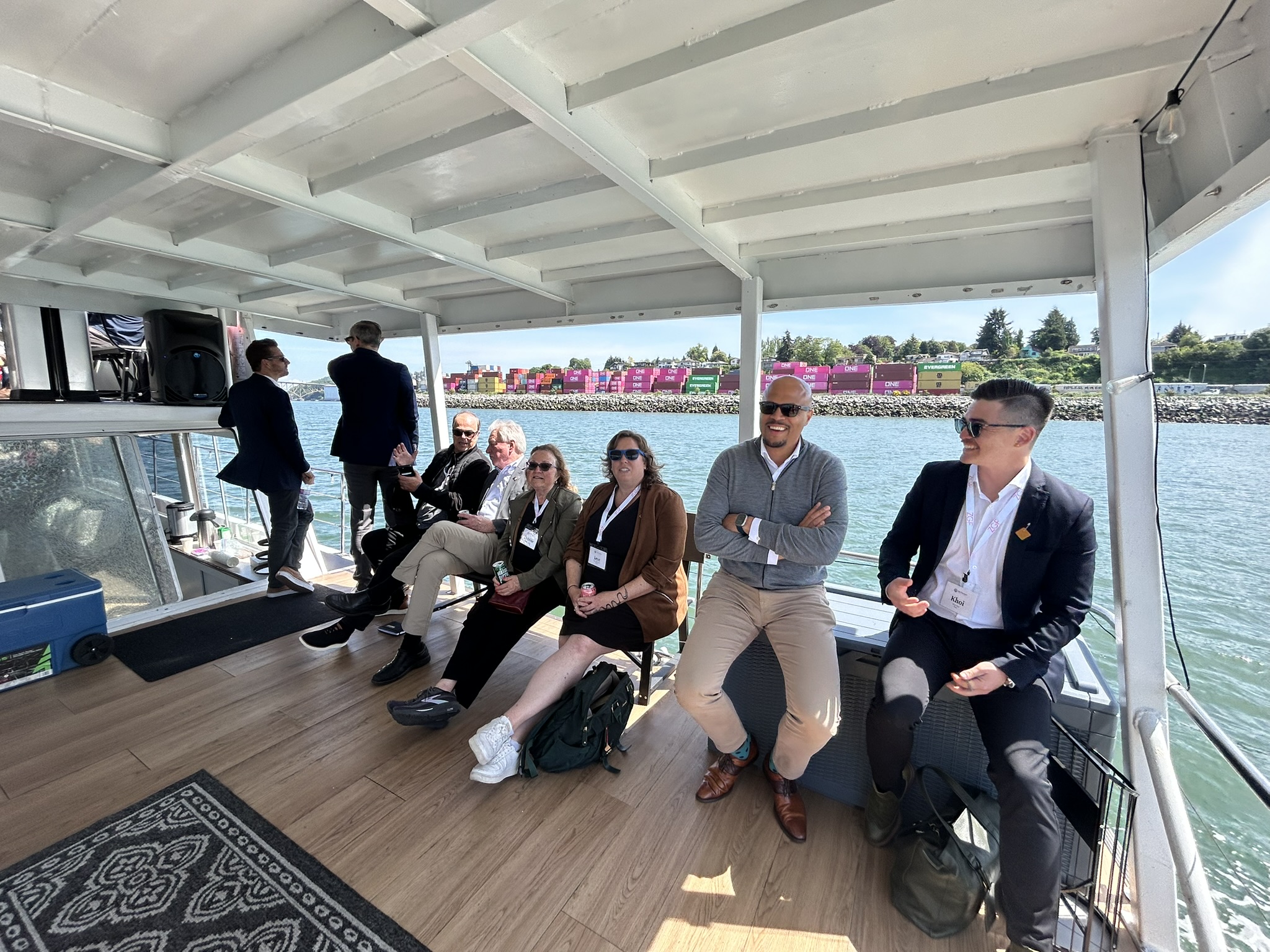
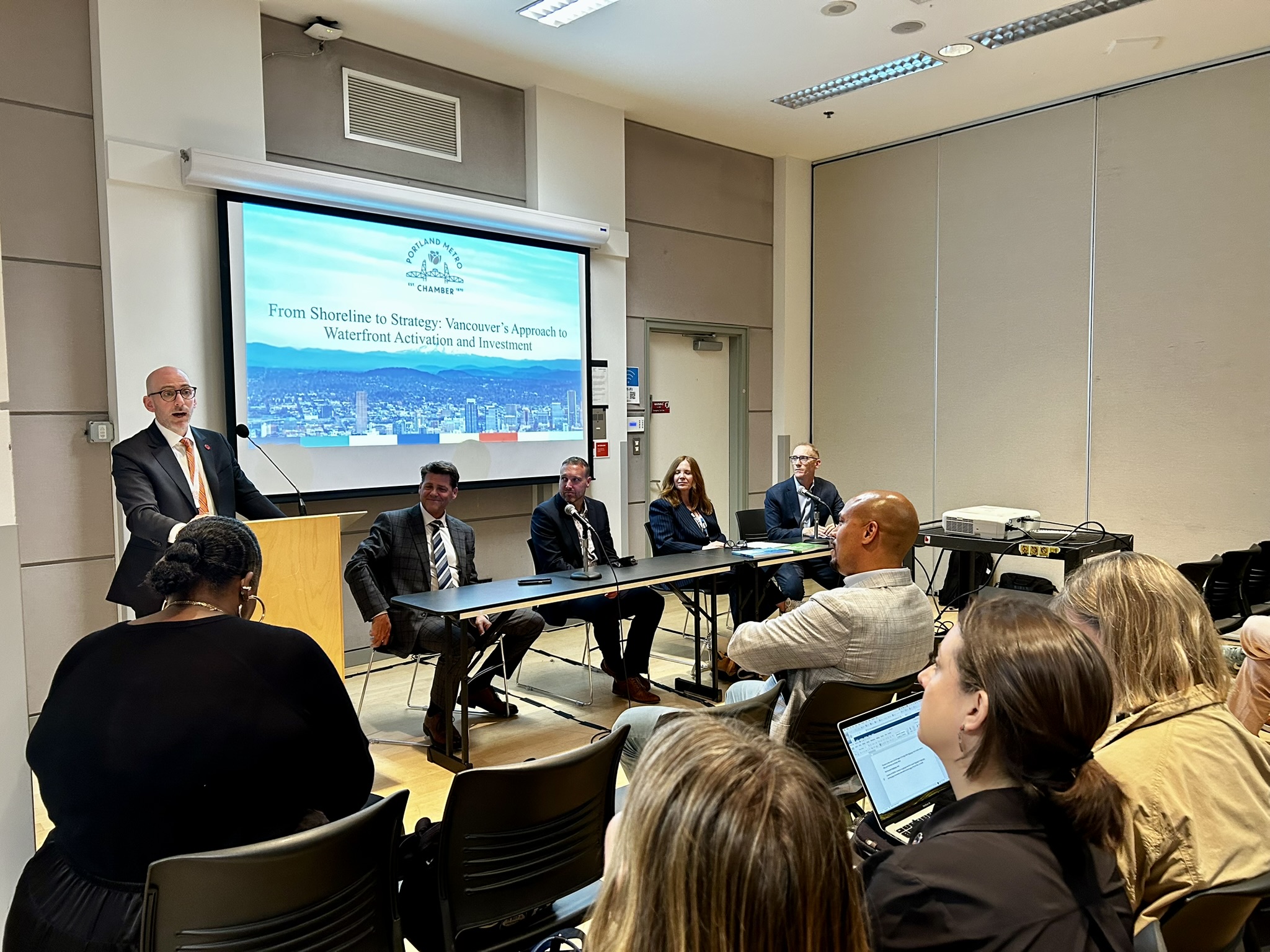
Decades of deliberate planning around physical access, year-round programming, and sustainable funding made Vancouver’s waterfront one of the most productive public spaces in North America — a direct lesson for Portland.
Grid readiness is a prerequisite for an electrified future
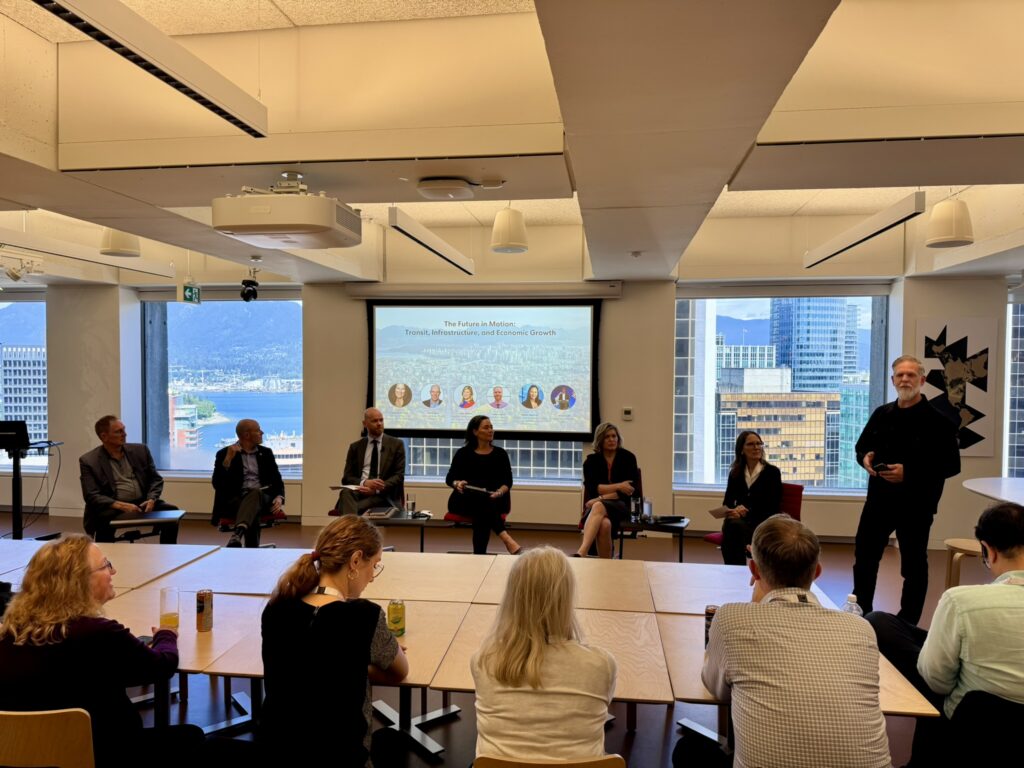
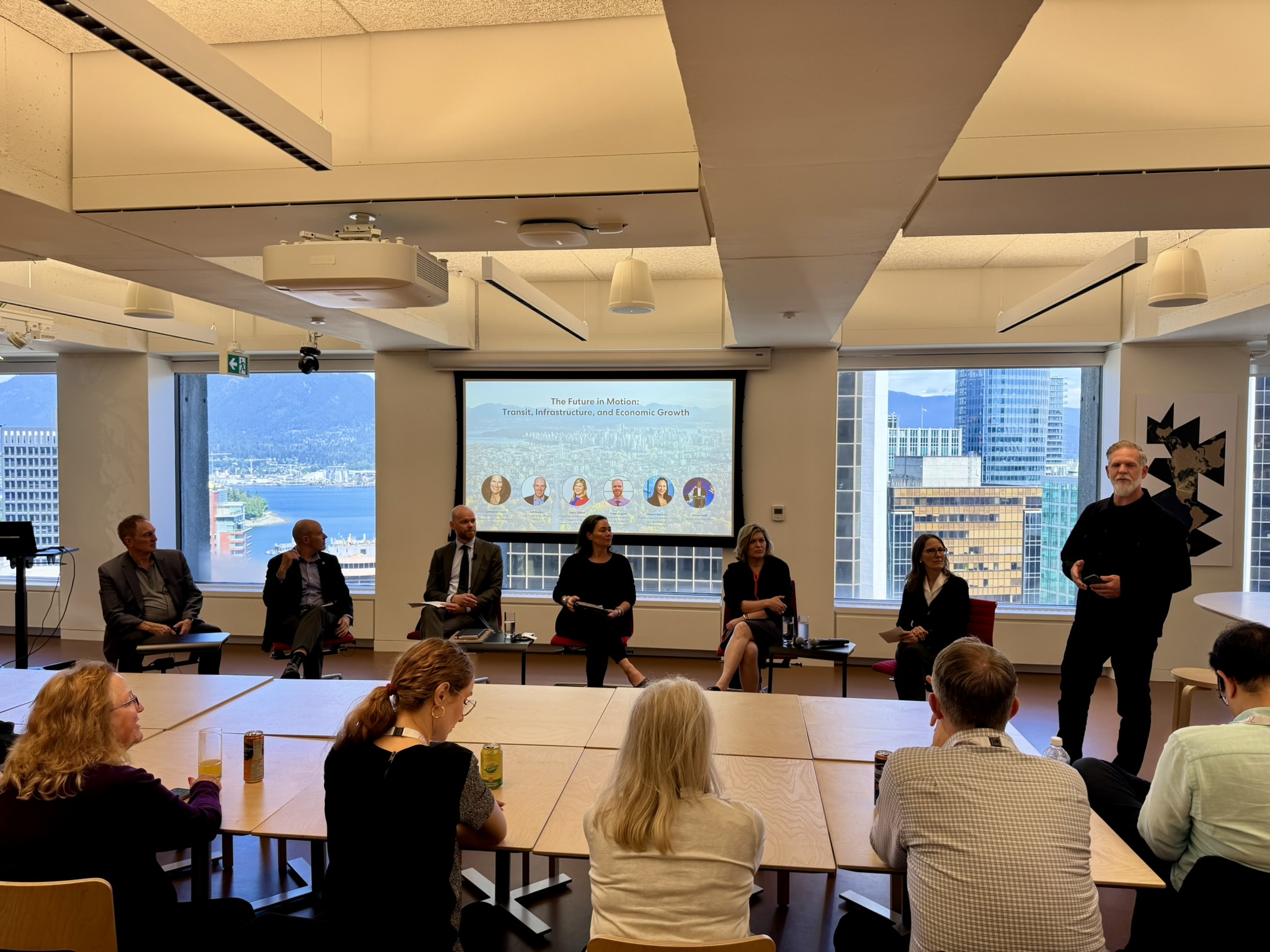
As EV adoption accelerates, cross-border electricity trade and grid coordination will be essential. Vancouver’s approach to scaling charging infrastructure offered practical insights for Portland’s clean energy transition.
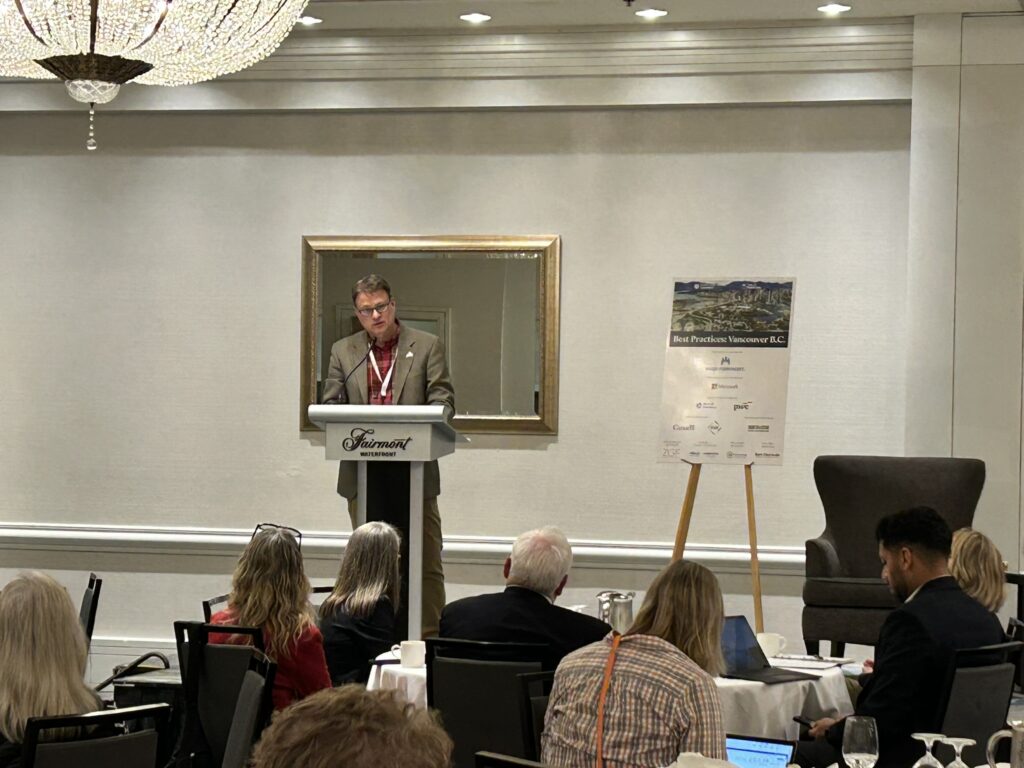
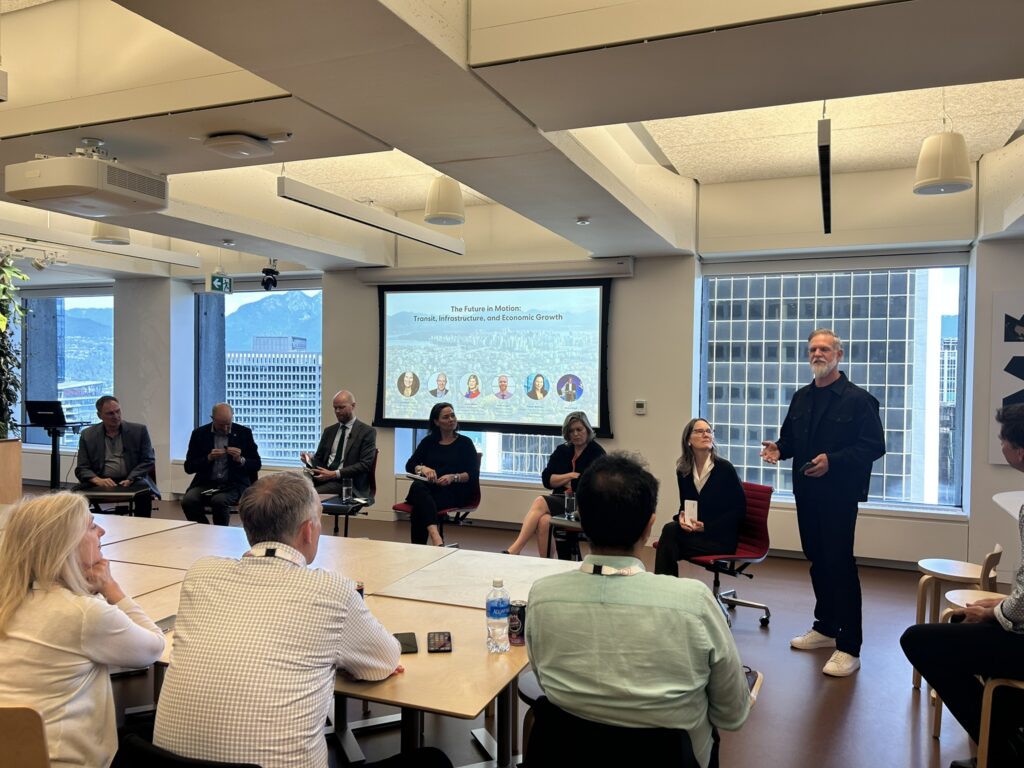
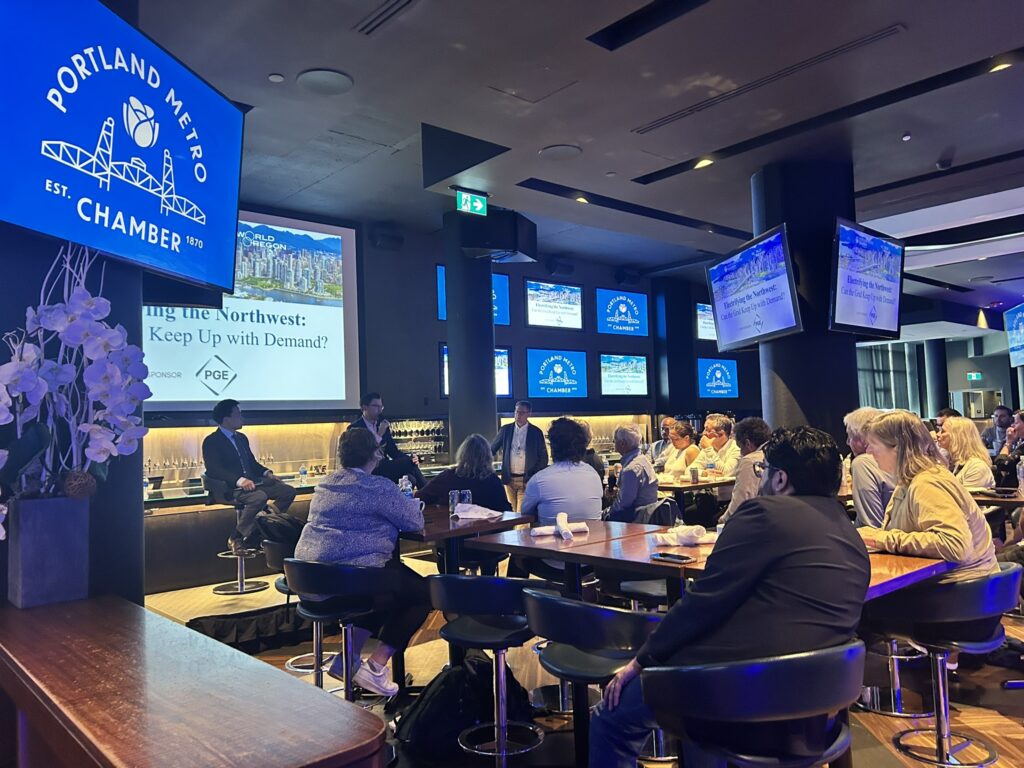
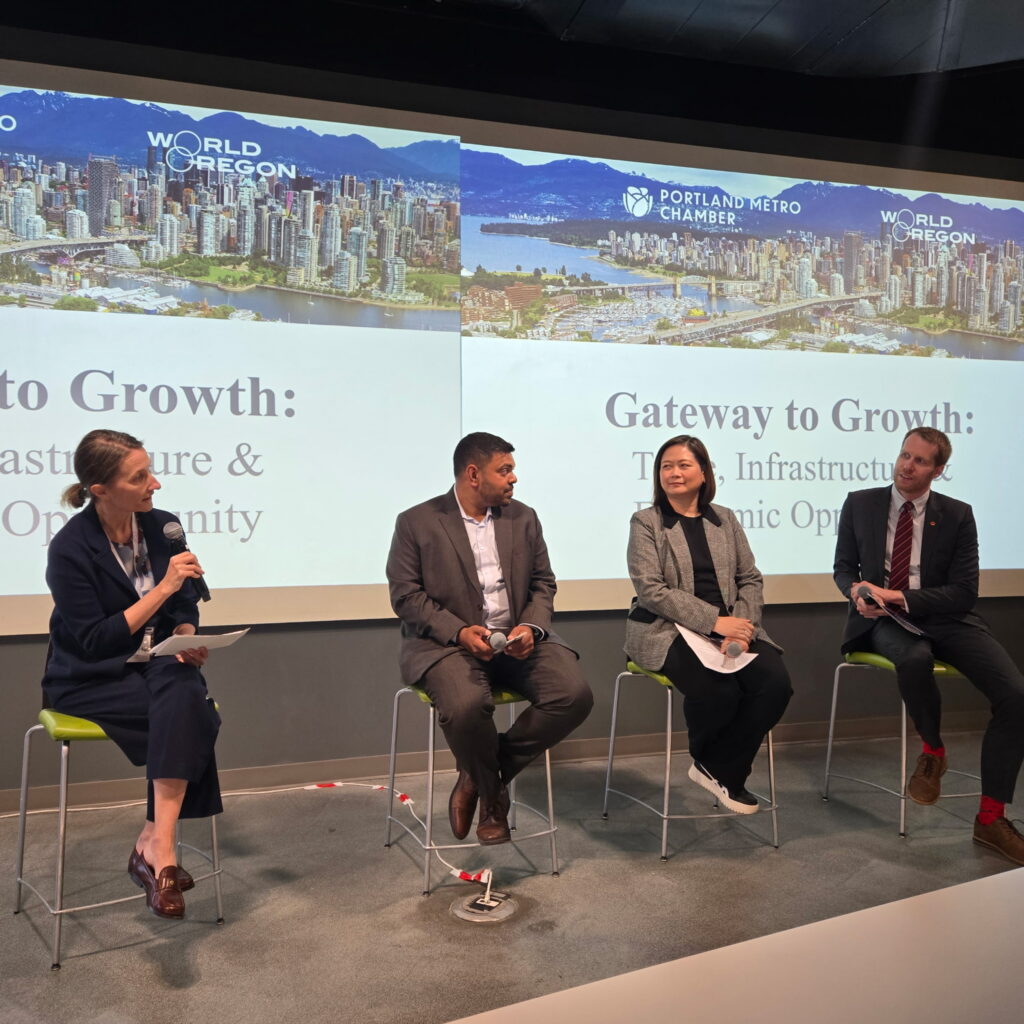
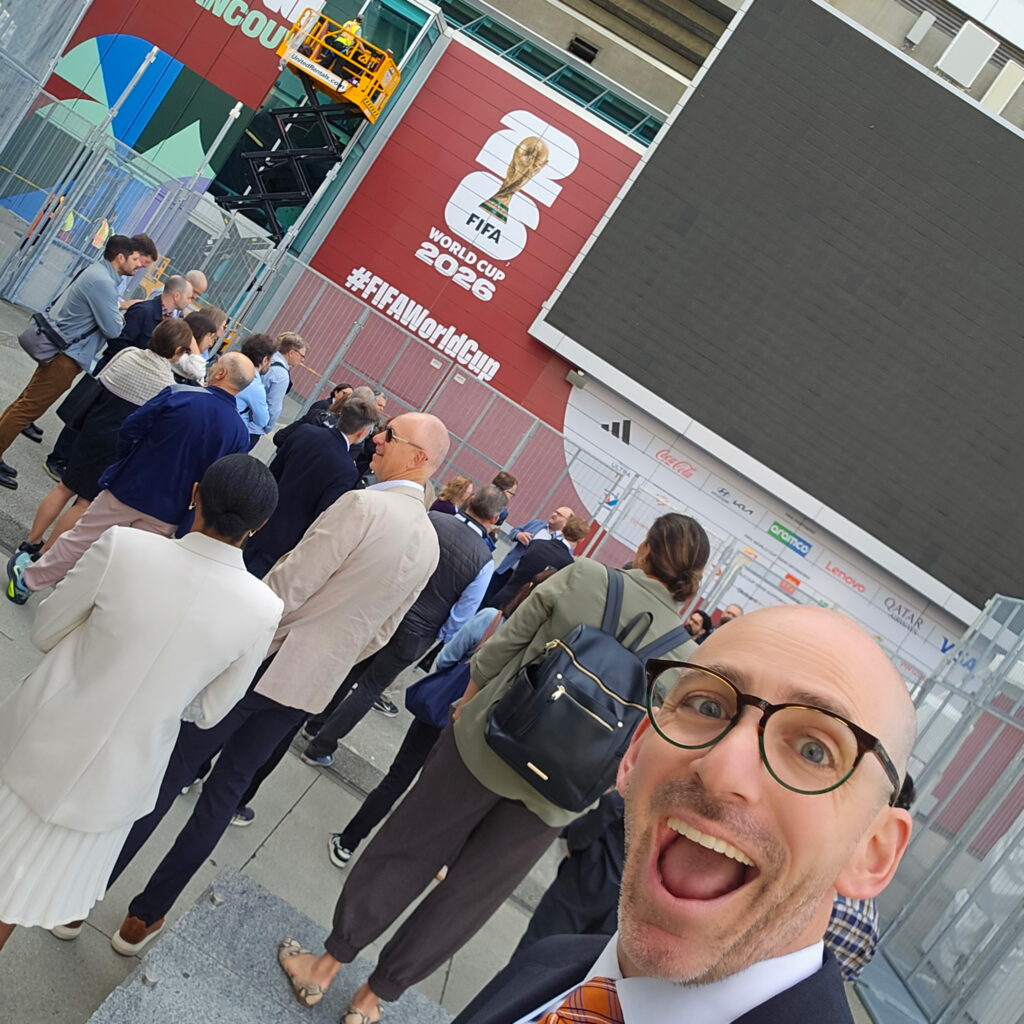
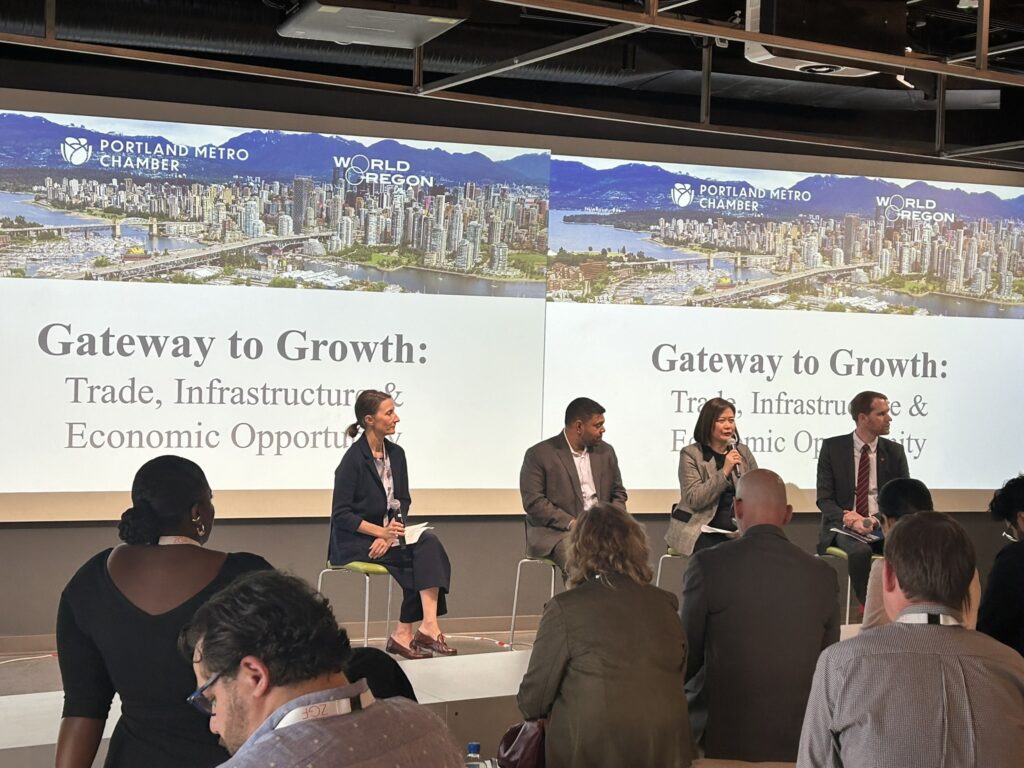
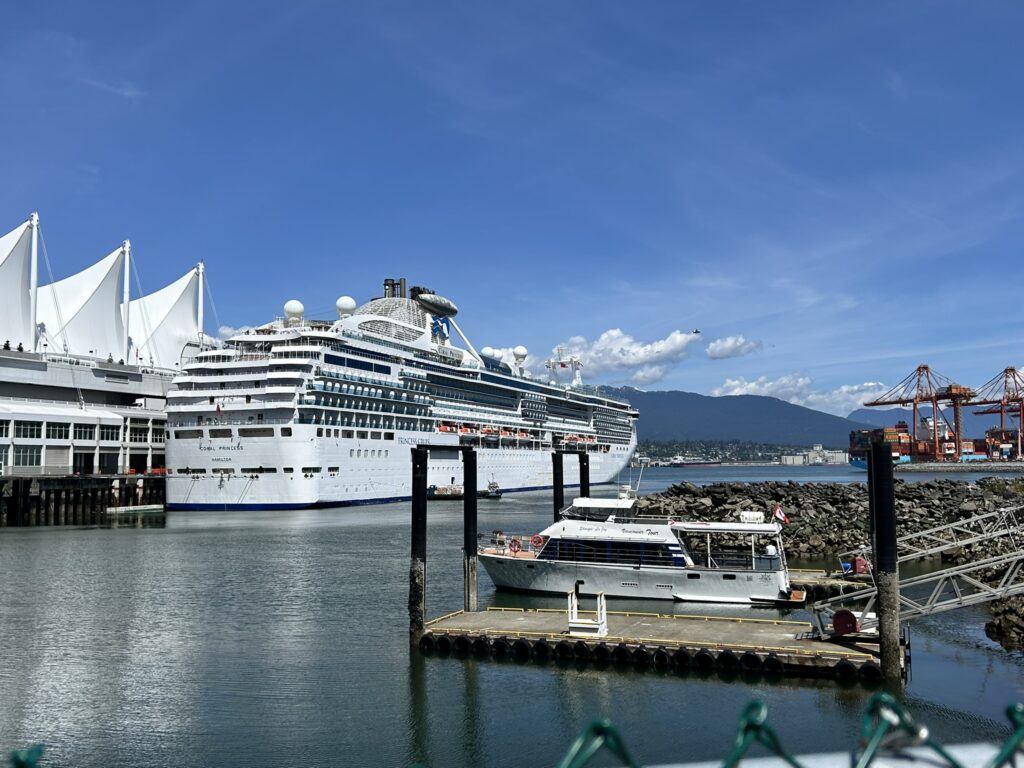
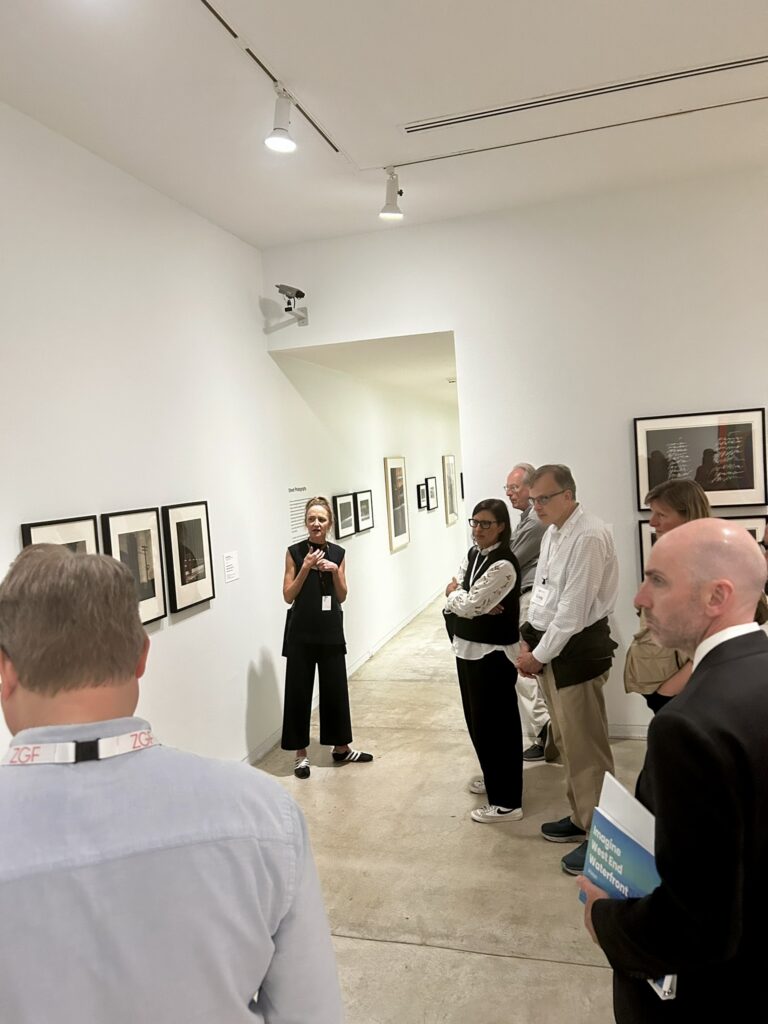
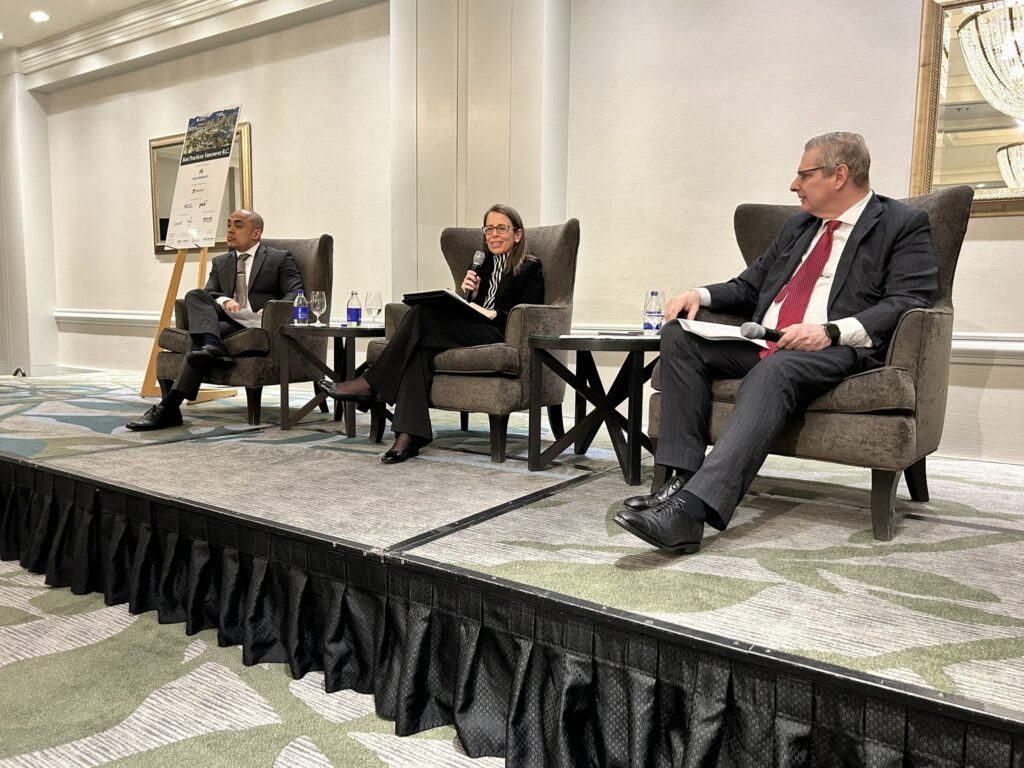
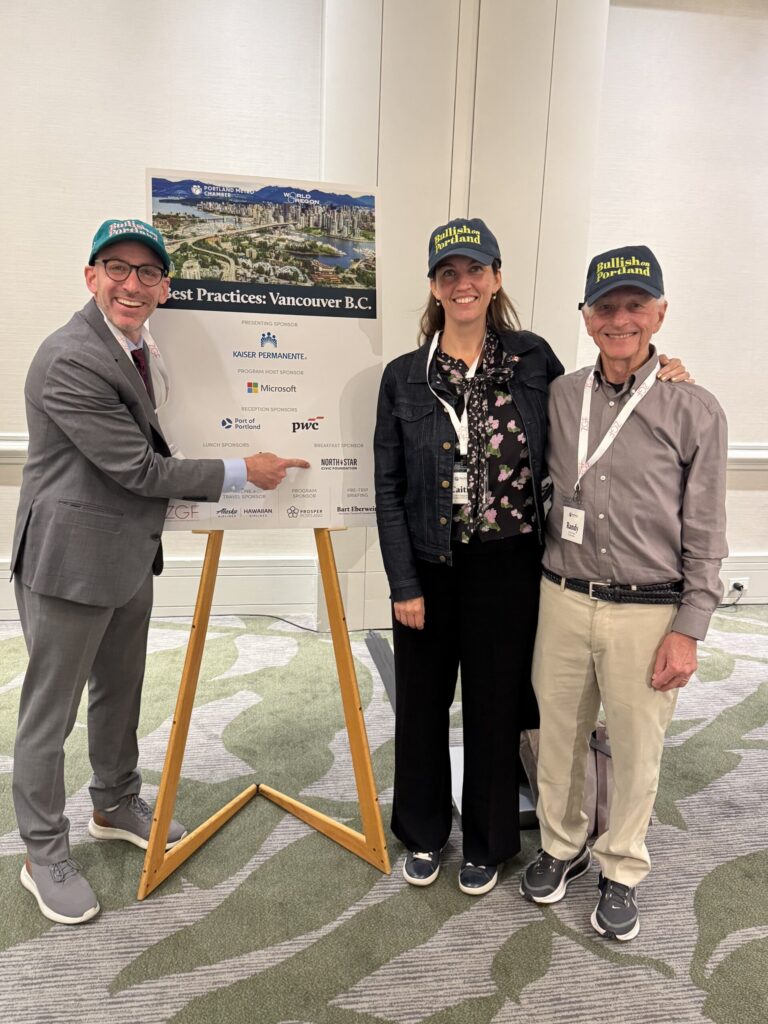
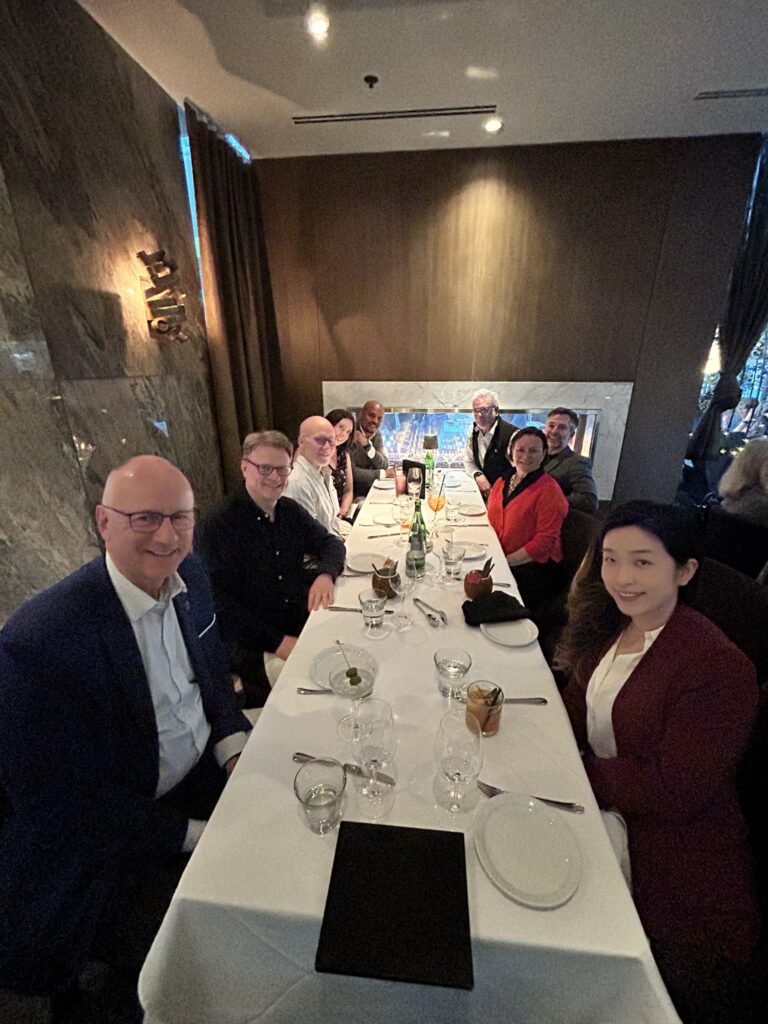
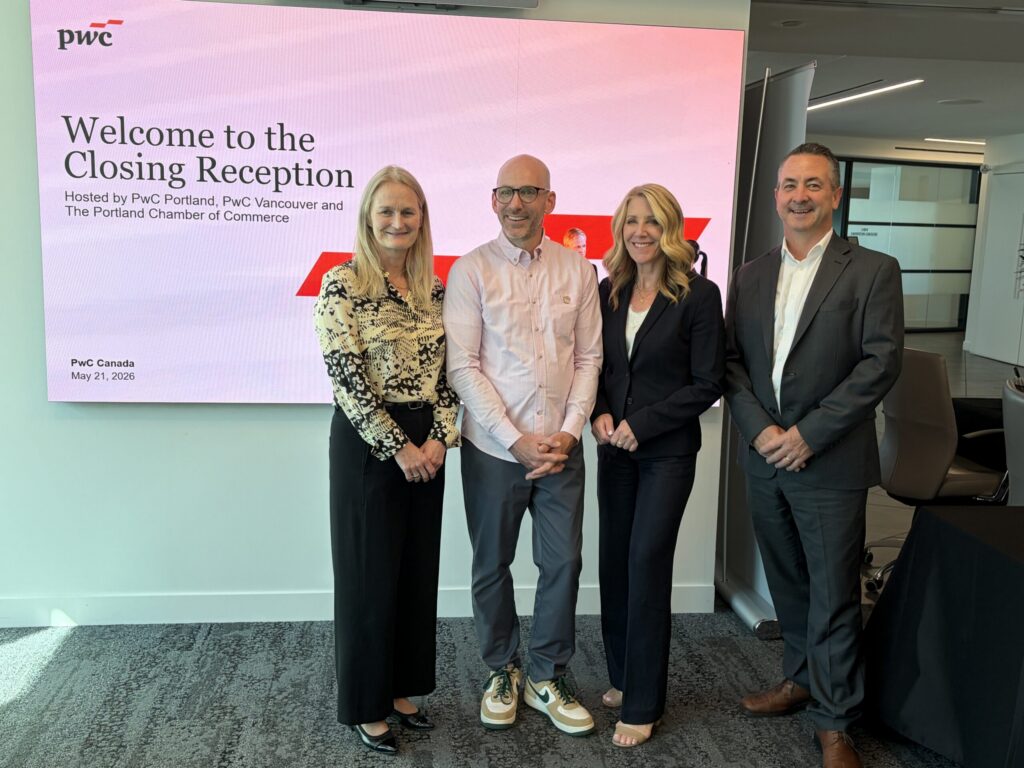
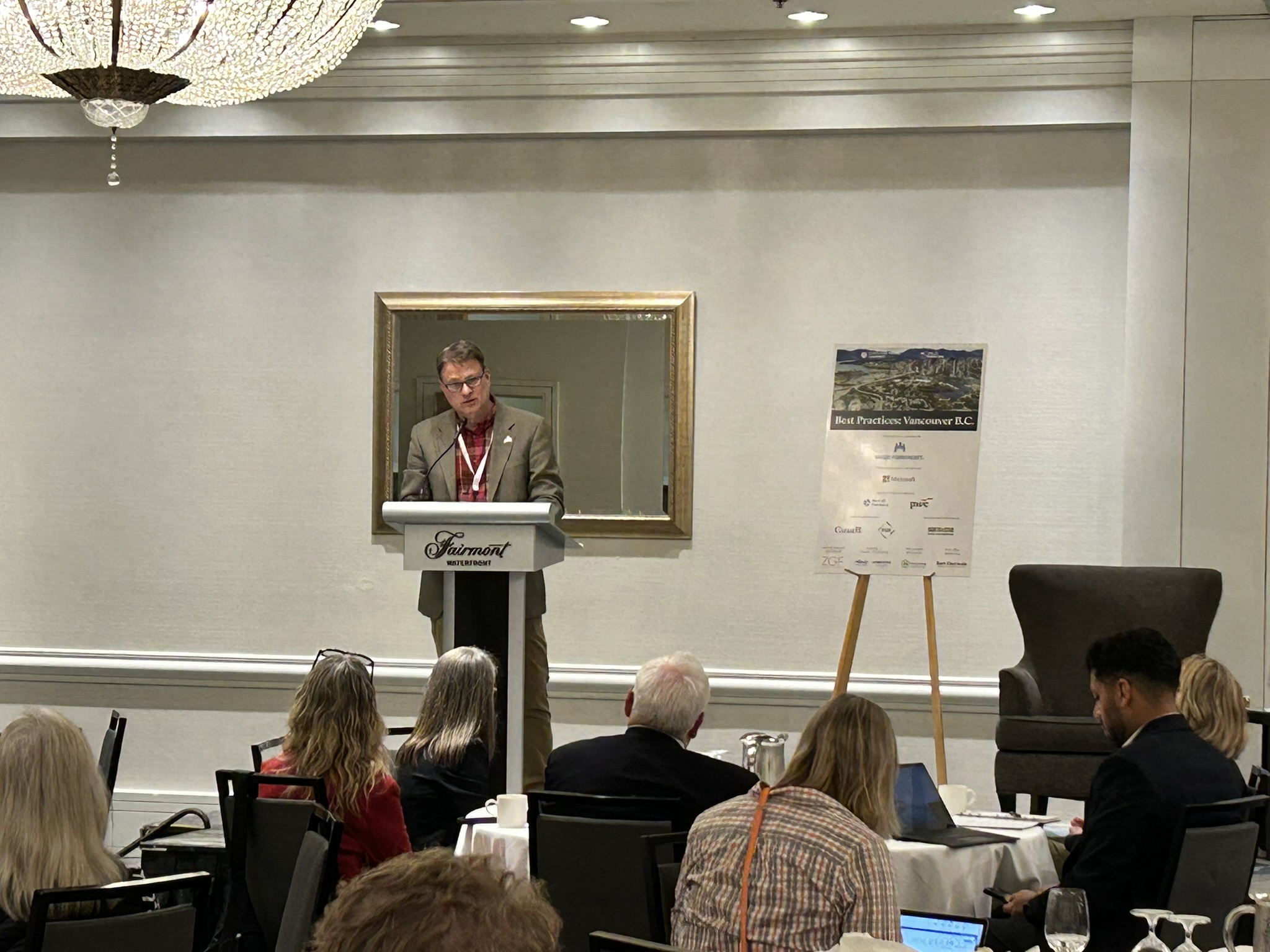
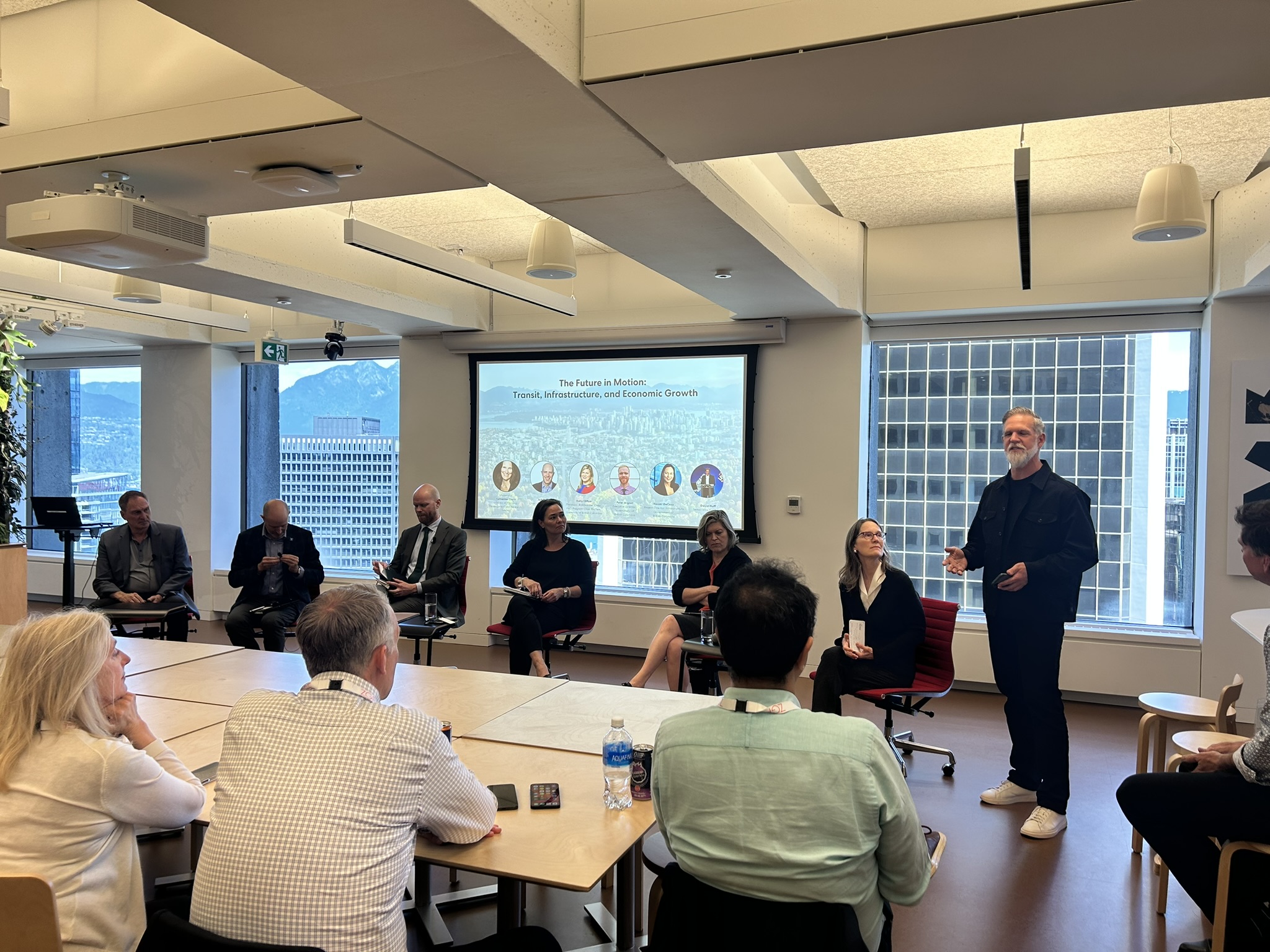
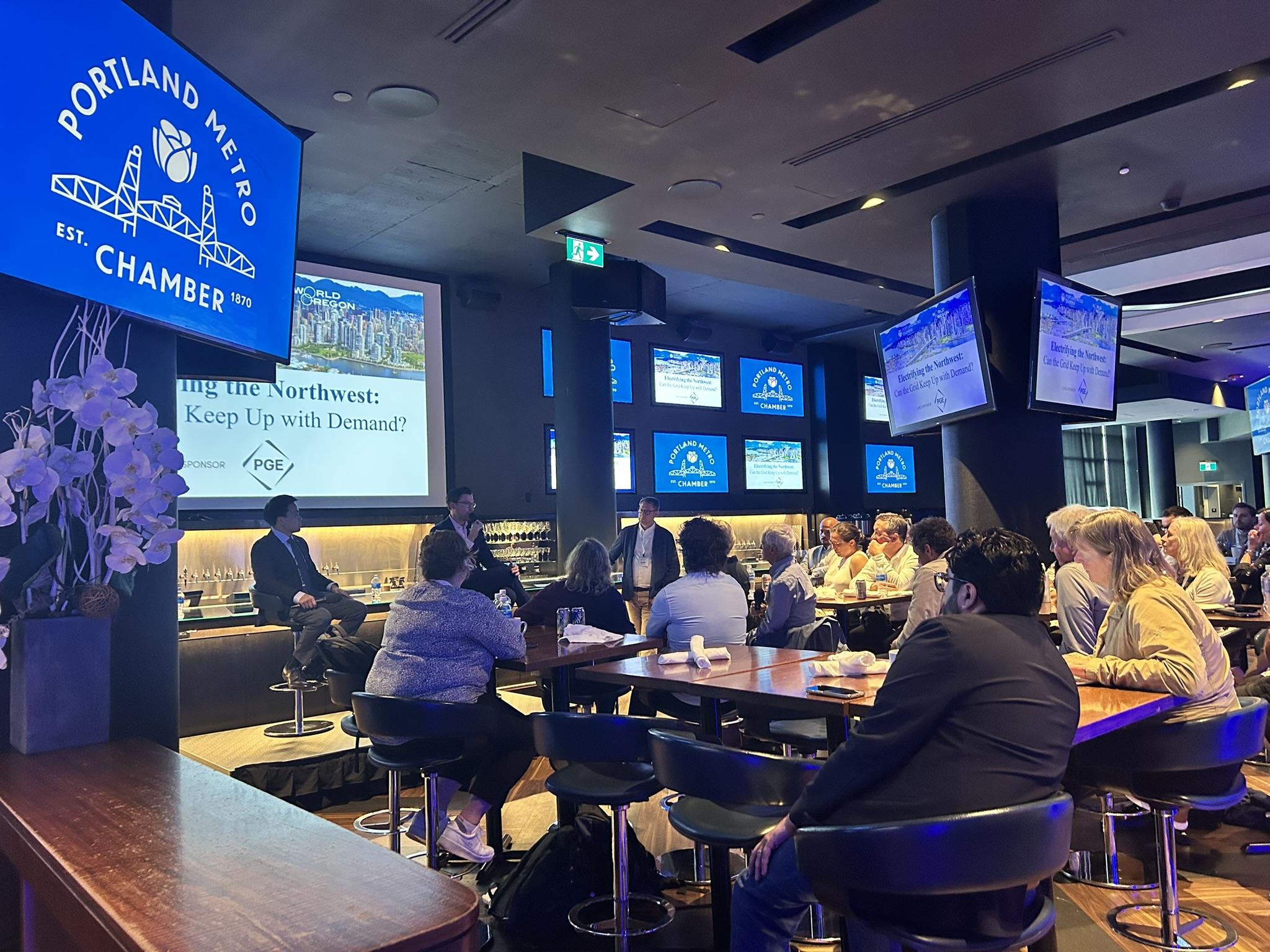
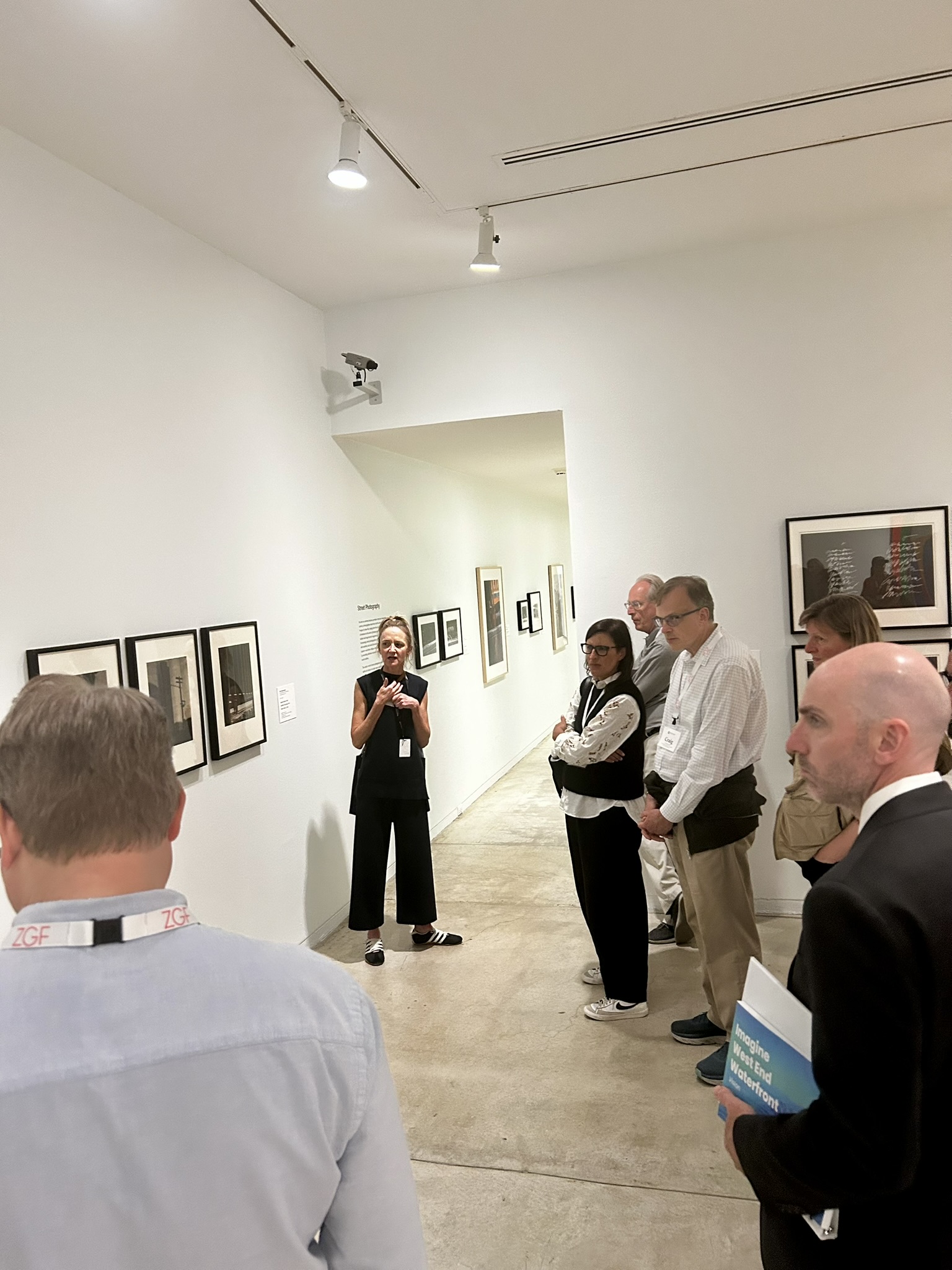
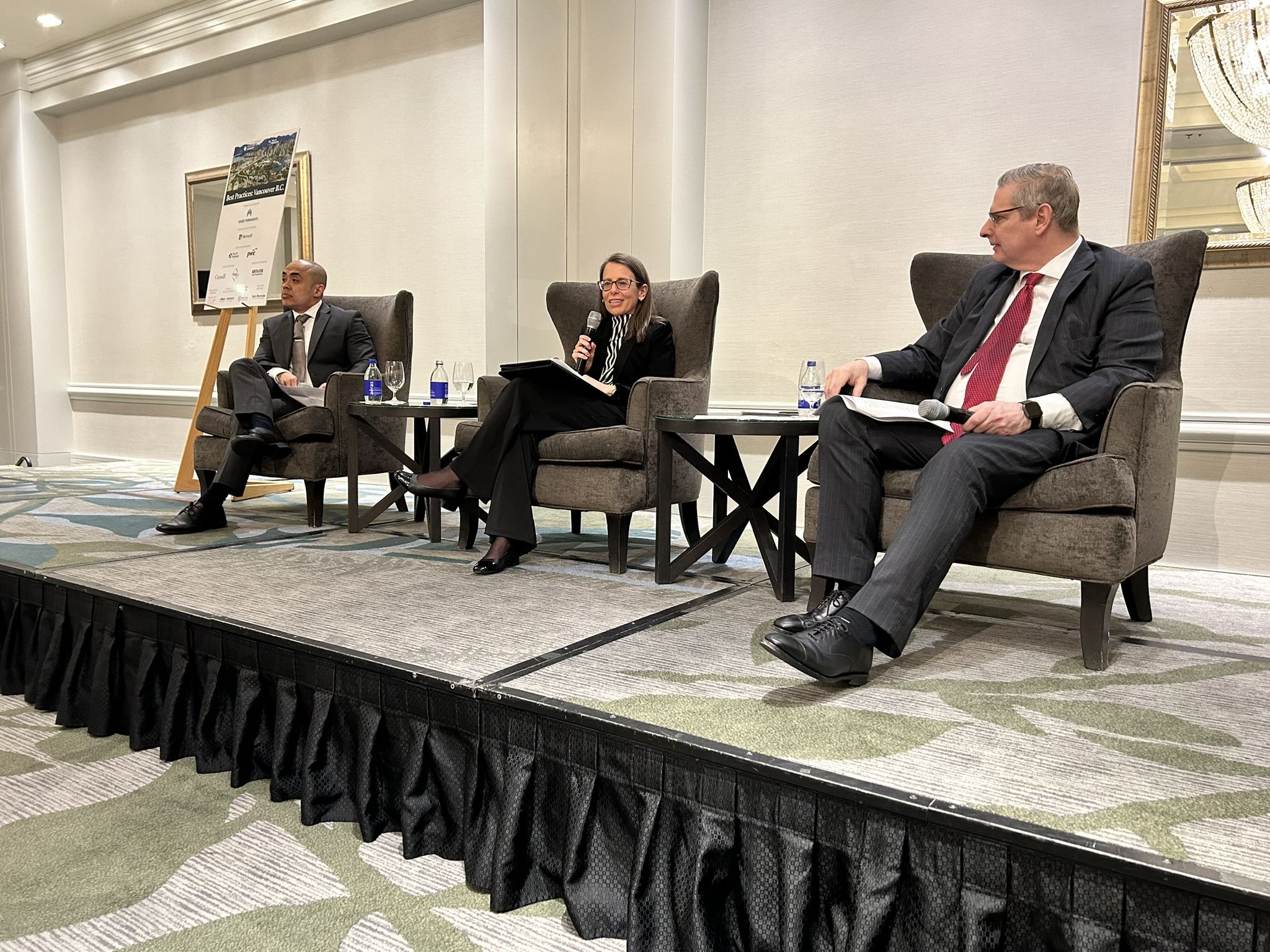
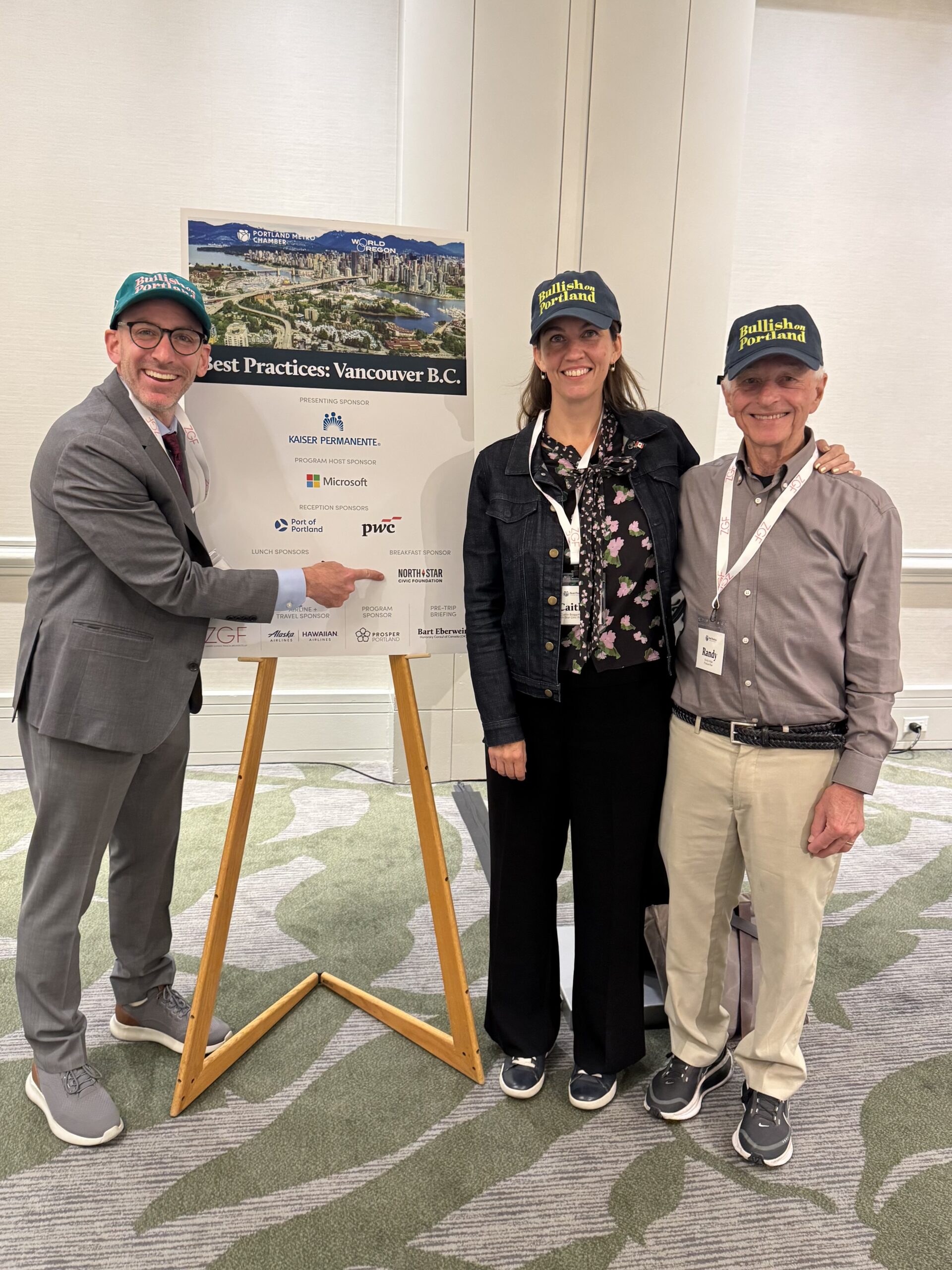
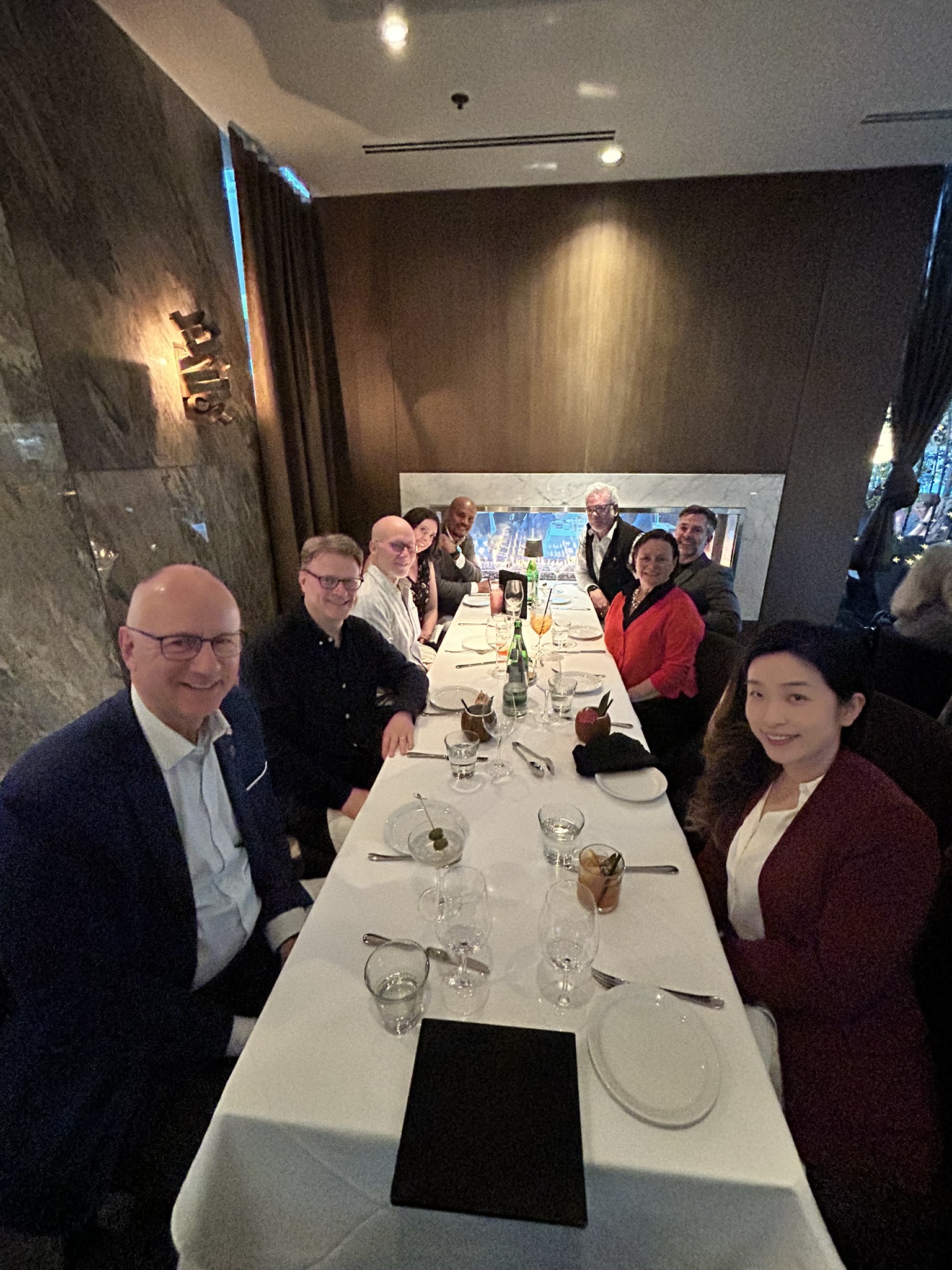
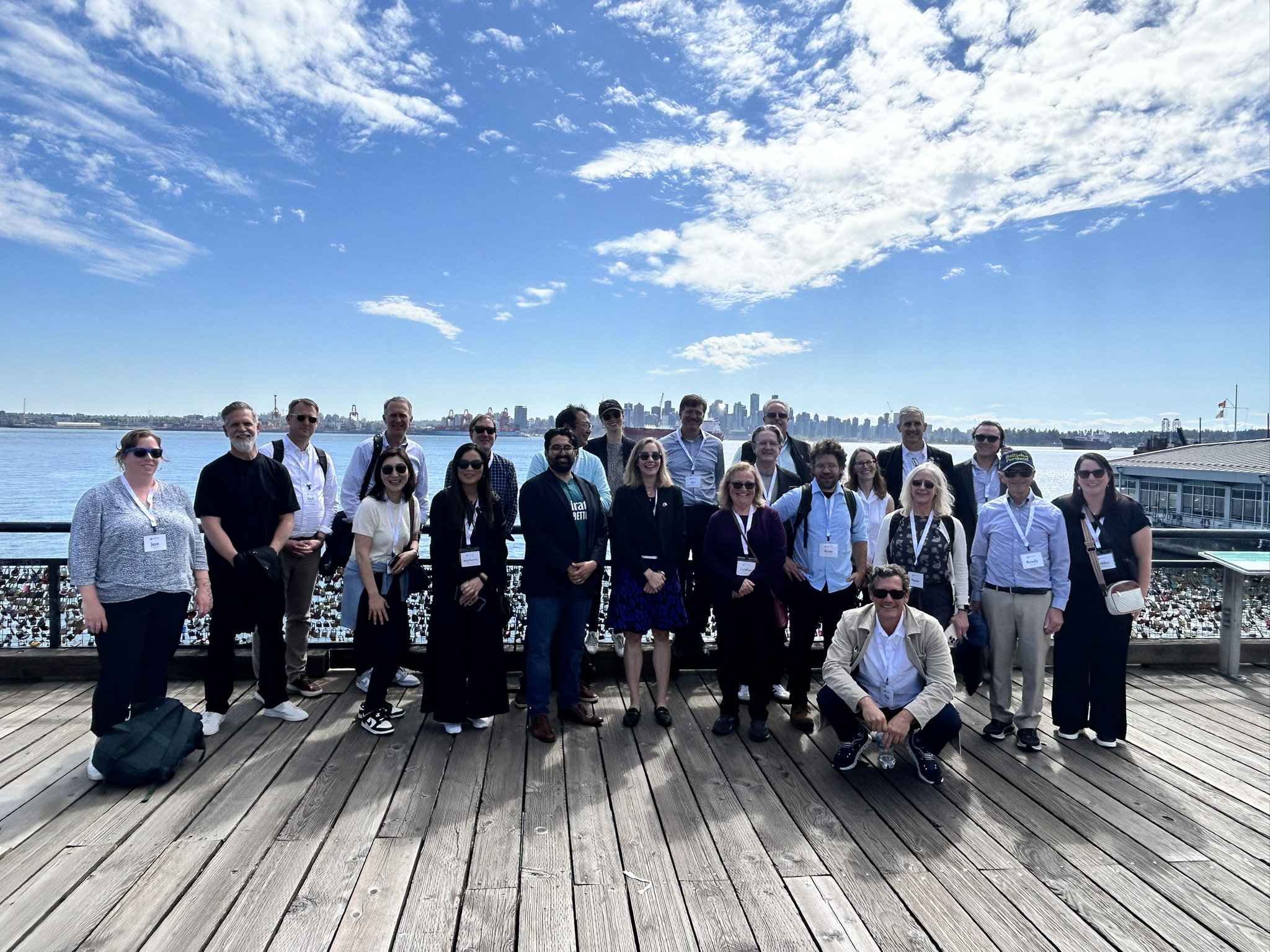
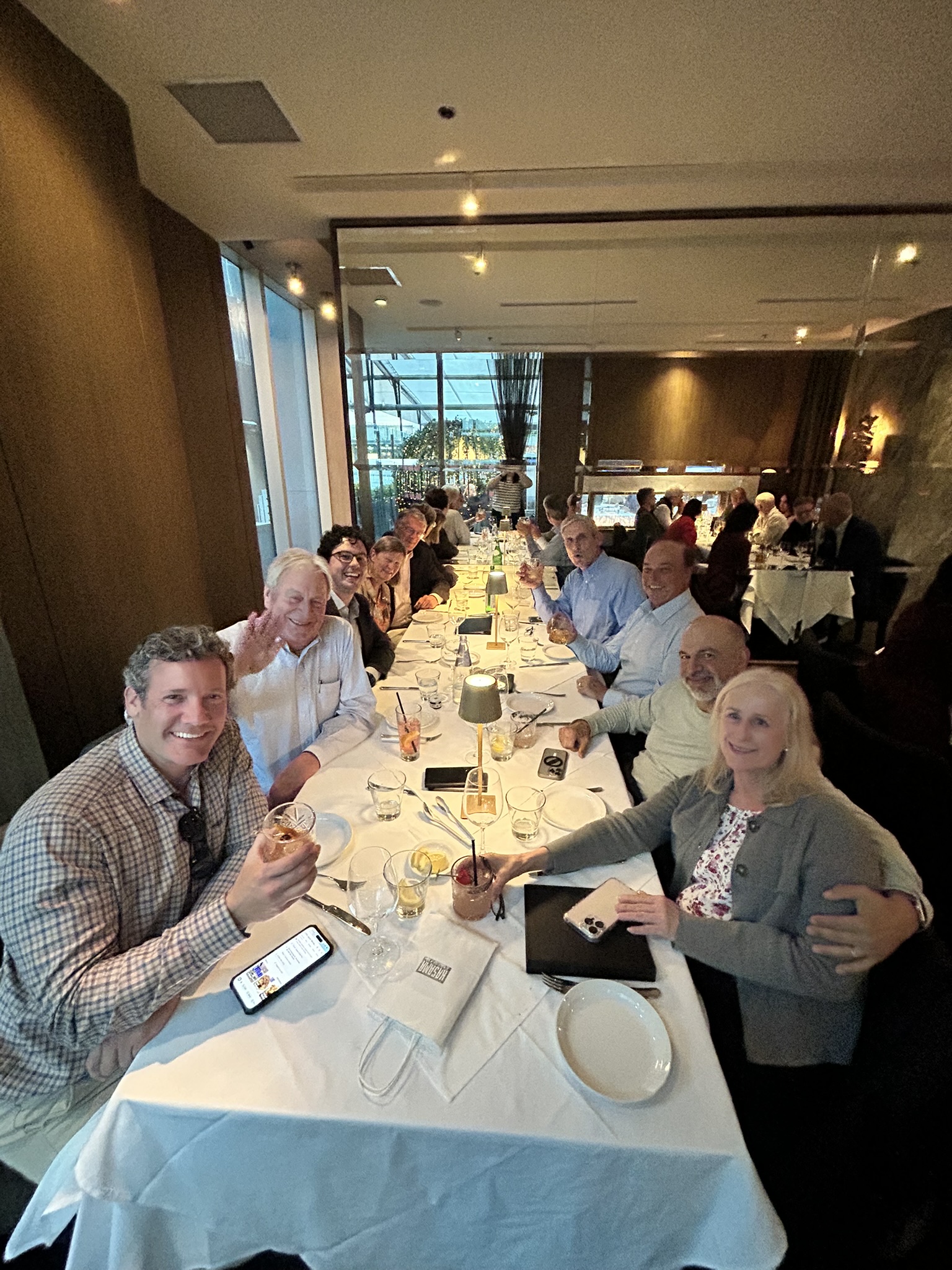
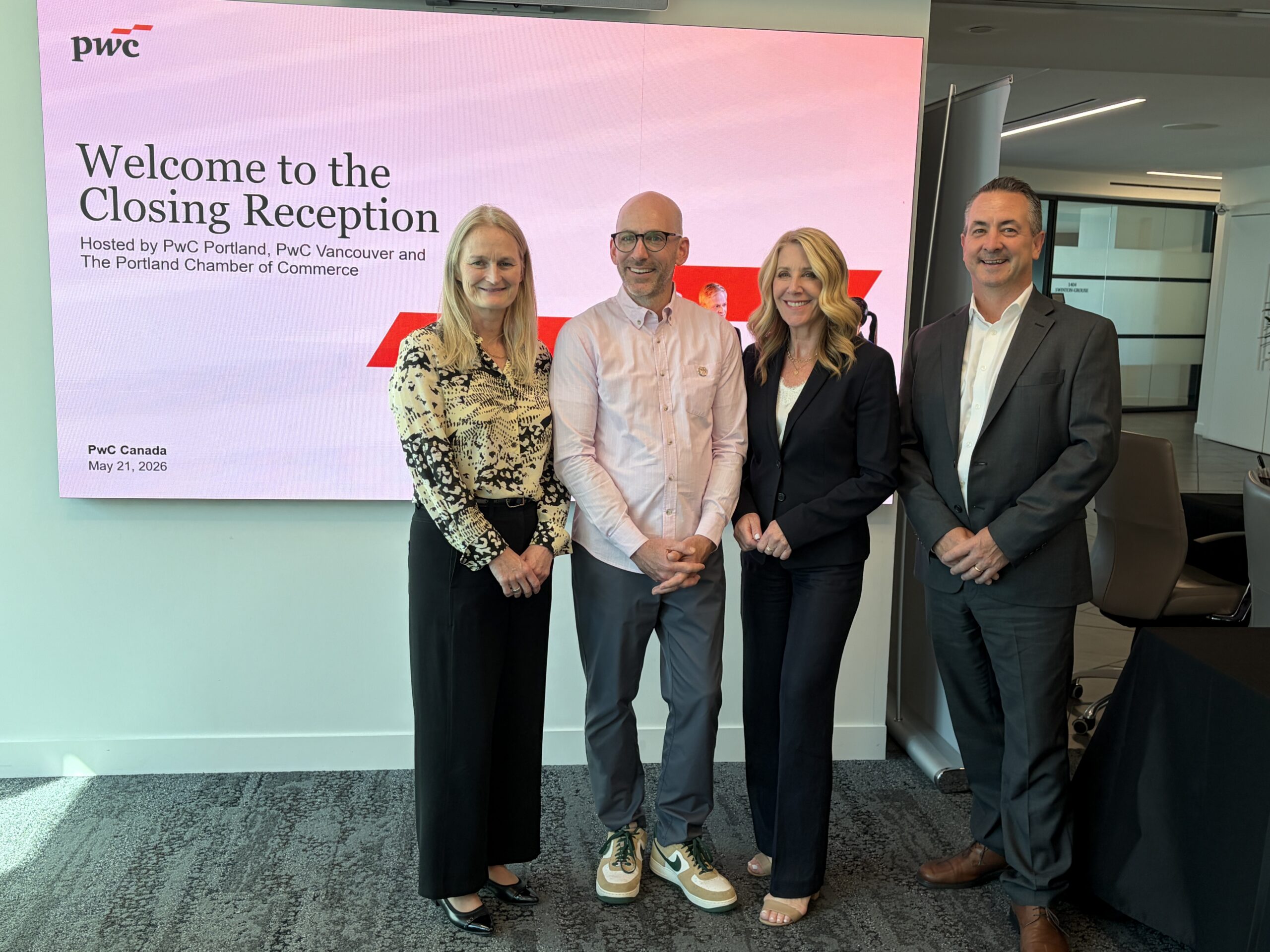
Trip Photos



Thank you to our sponsors
Presenting Sponsor
Program Host Sponsor

Reception Sponsors
 |
 |
Lunch Sponsors
 |
 |
Breakfast Sponsor
 |
Name Badge Sponsor

Program Sponsor

Airline + Travel Sponsor

Pre-Trip Briefing Sponsor